
Food
Wildlife rely mostly on natural food sources like seeds, berries, nectar, and insects. Feeders help supplement their diet and bring activity closer to home.
Bring Nature Closer to Home
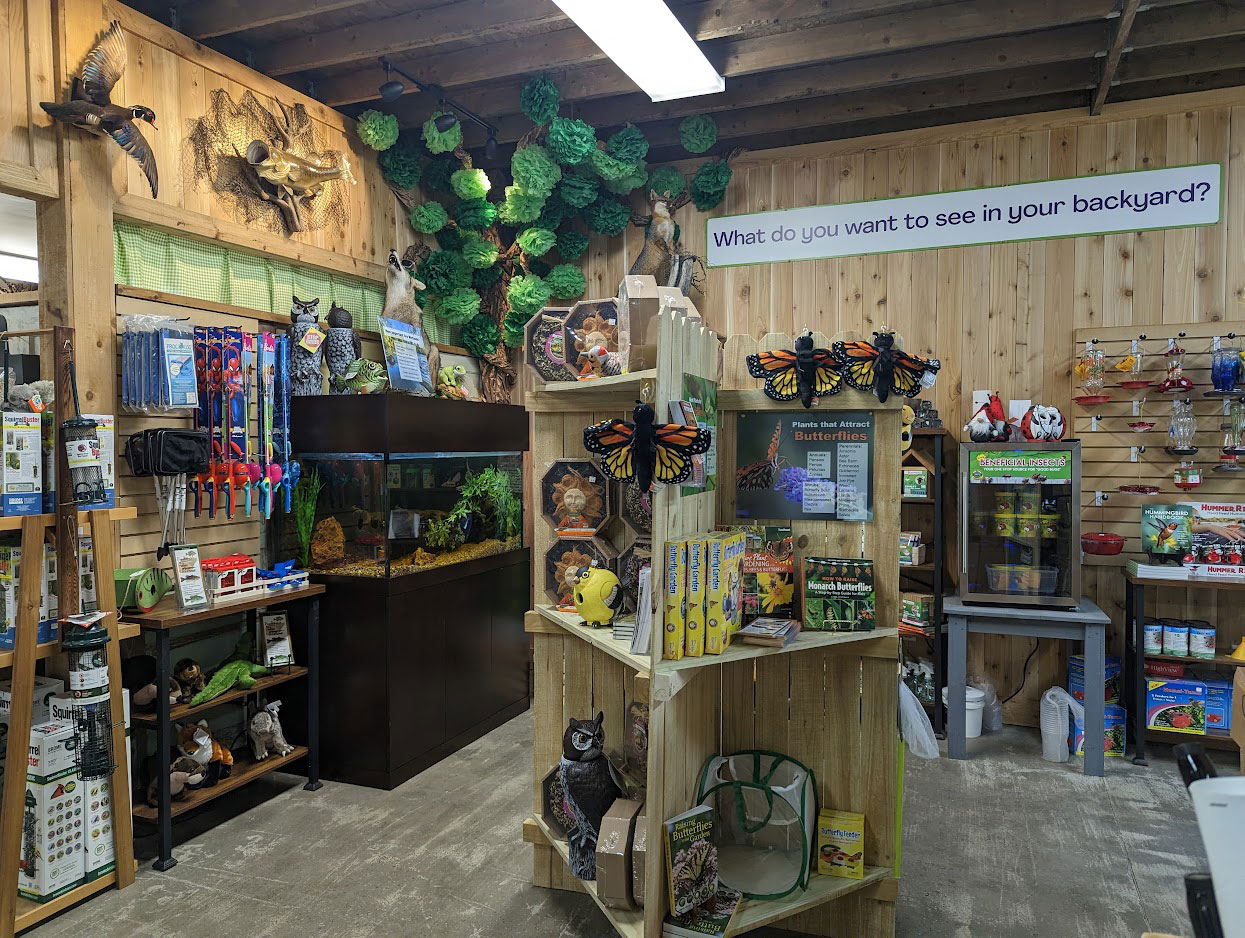
The Backyard Nature Center at Wingard’s Market brings nature closer to home with carefully selected feeders, shelters, seed, and accessories designed to support birds and local wildlife year round. Led by Zach Steinhauser, a University of Florida–trained wildlife ecologist, this department reflects a family tradition of conservation and a commitment to helping customers create vibrant, wildlife-friendly backyards that thrive naturally.
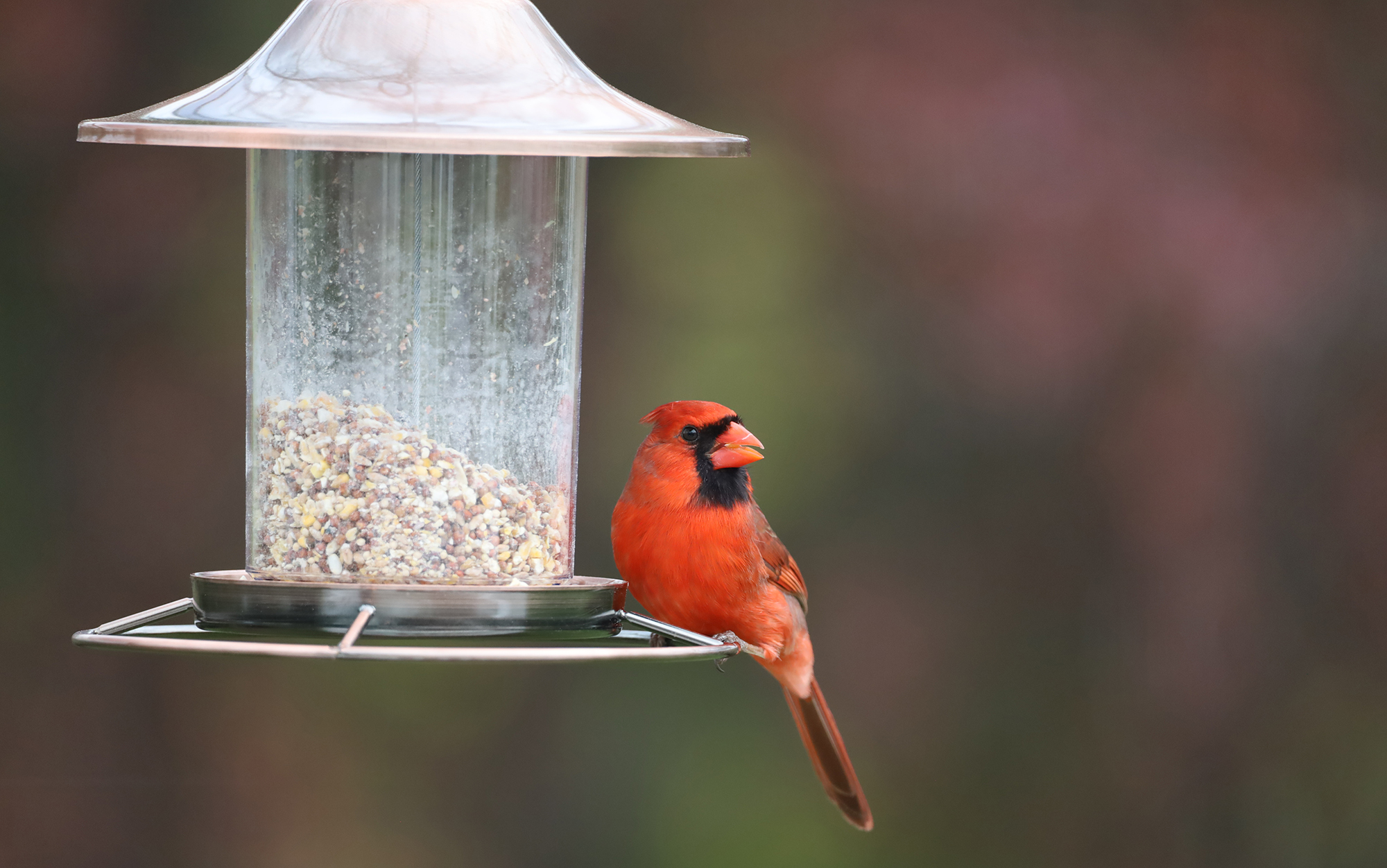
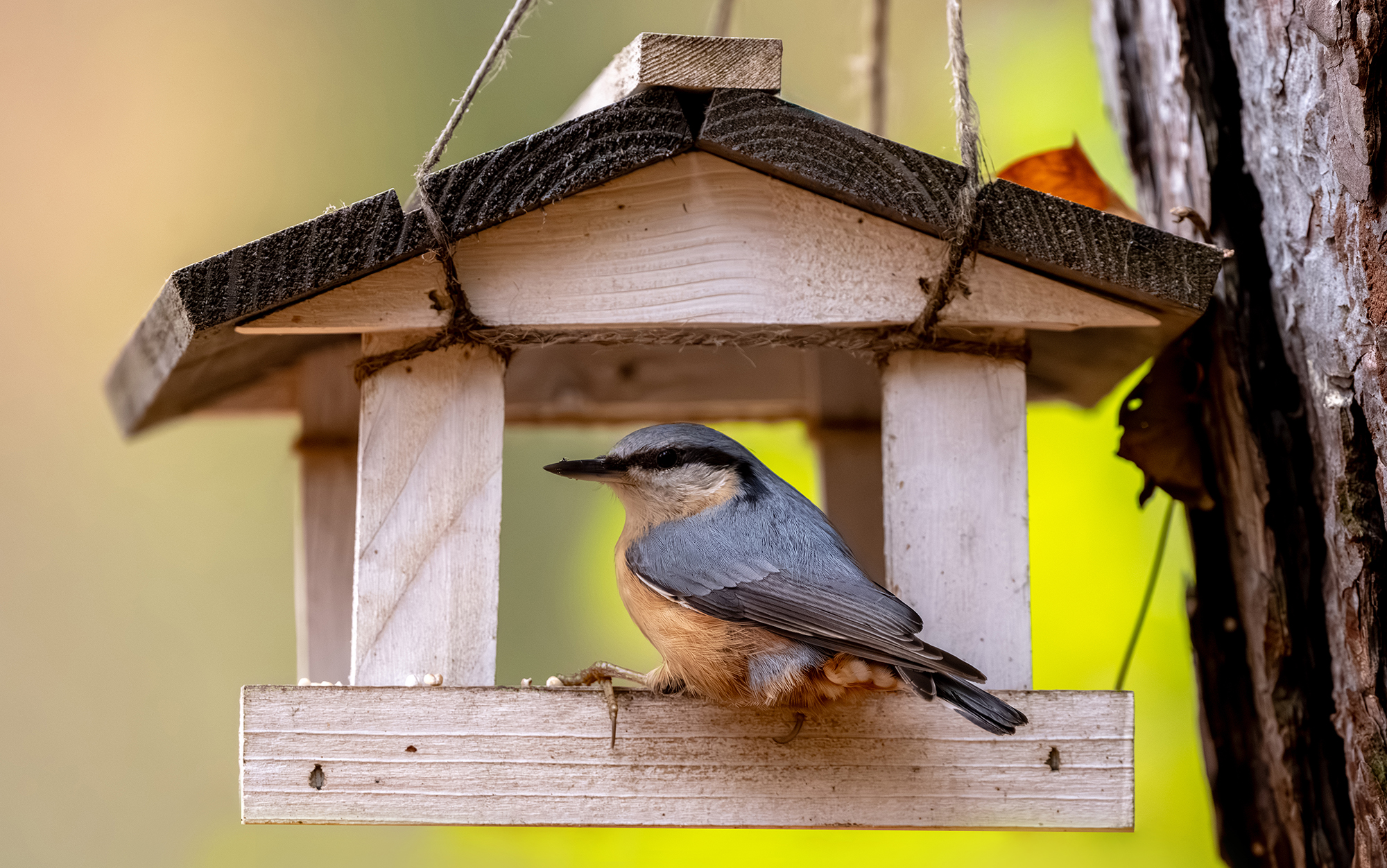
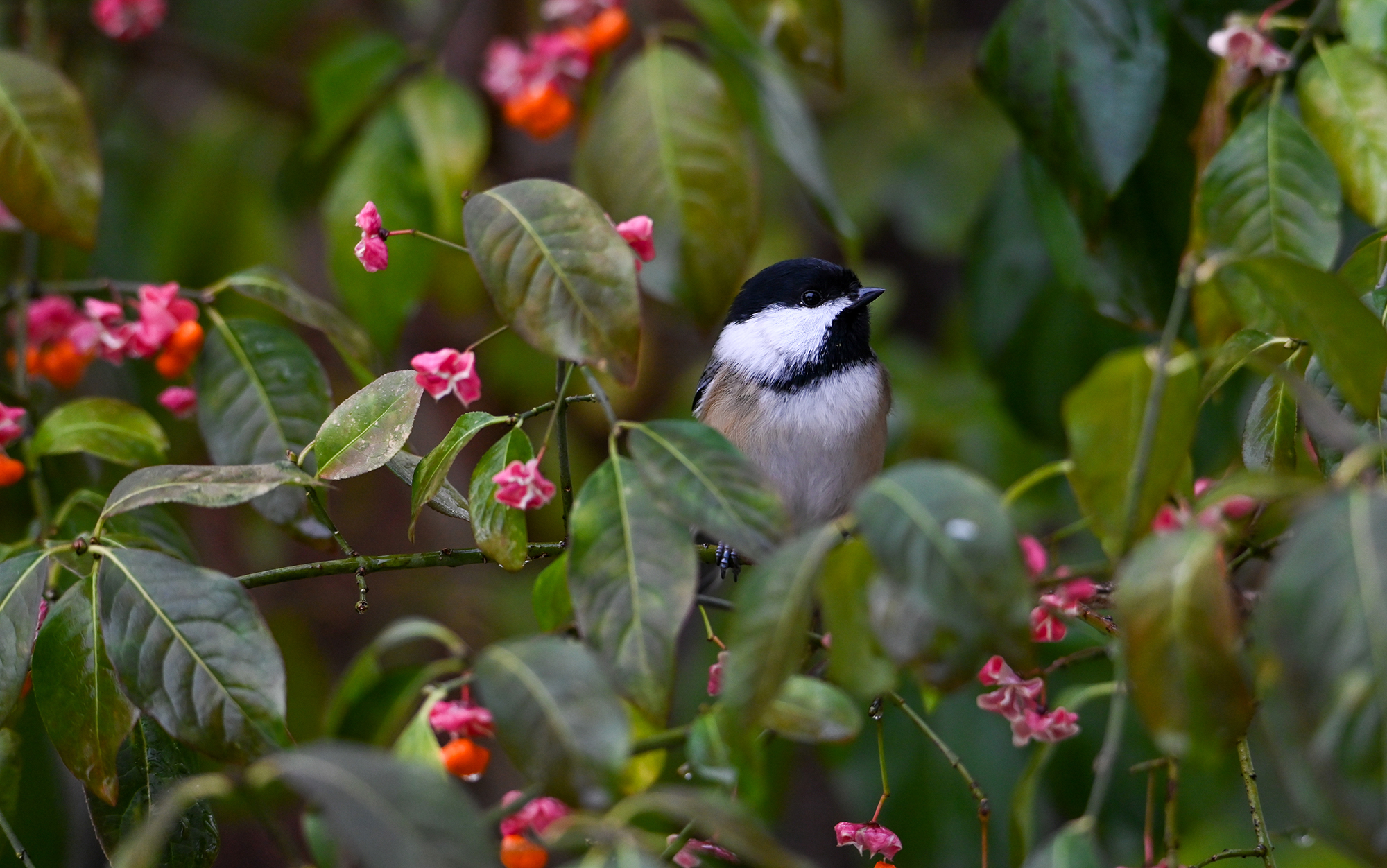
Every successful backyard wildlife habitat is built on four essentials: food, water, cover, and space to raise young. Together, these elements support healthy wildlife and encourage birds and animals to return year after year.
Wildlife rely mostly on natural food sources like seeds, berries, nectar, and insects. Feeders help supplement their diet and bring activity closer to home.
Animals need safe places to shelter from weather and predators. Trees, shrubs, brush, and nesting boxes provide protection and a place to call home.
Water is essential for wildlife to stay and thrive. Birdbaths, fountains, and ponds attract wildlife and encourage them to remain in your yard.
Wildlife need room to nest and raise their young. Native plants, nesting boxes, and natural cover help support growing families.
Creating a bird-friendly backyard is about more than simply hanging a feeder. Different birds feed in different ways, and providing a mix of food sources and feeder styles helps support their natural behaviors and attract a greater variety of species.
Elevated Feeders: Many birds prefer feeding above ground, mimicking natural tree feeding habits. Tube, hopper, and suet feeders are ideal for species that forage in trees and shrubs.
Suet Feeders: Suet provides a high-energy food source, especially during colder months. It attracts birds that rely on insects and fat-rich foods to stay active and healthy.
Ground Feeders: Some birds naturally feed at ground level. Platform or tray feeders placed near cover allow these species to feed safely while staying alert to predators.
Insect Feeders: Insect-eating birds benefit from protein-rich options like mealworms. Hanging insect feeders are an effective way to attract species that don't rely on seed.
A thriving backyard habitat goes beyond food alone. Nesting spaces and native plants play a critical role in helping birds and wildlife rest, shelter, and raise their young safely.
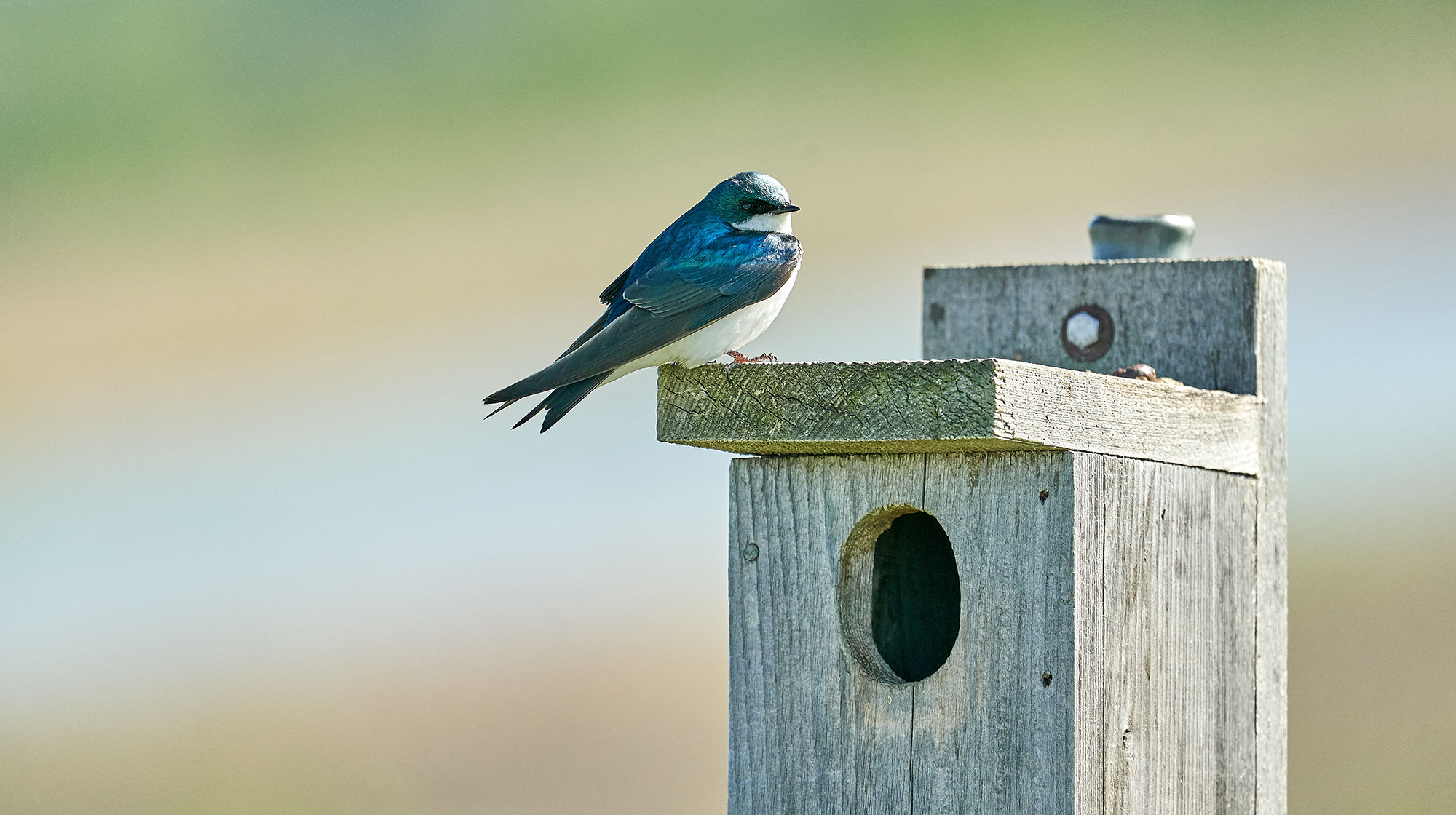
Different bird species require specific nesting box designs to nest successfully. Proper boxes should include ventilation and drainage, a sloped roof for weather protection, easy access for cleaning, and interior ladder grooves to help fledglings exit safely. Predator baffles add essential protection.
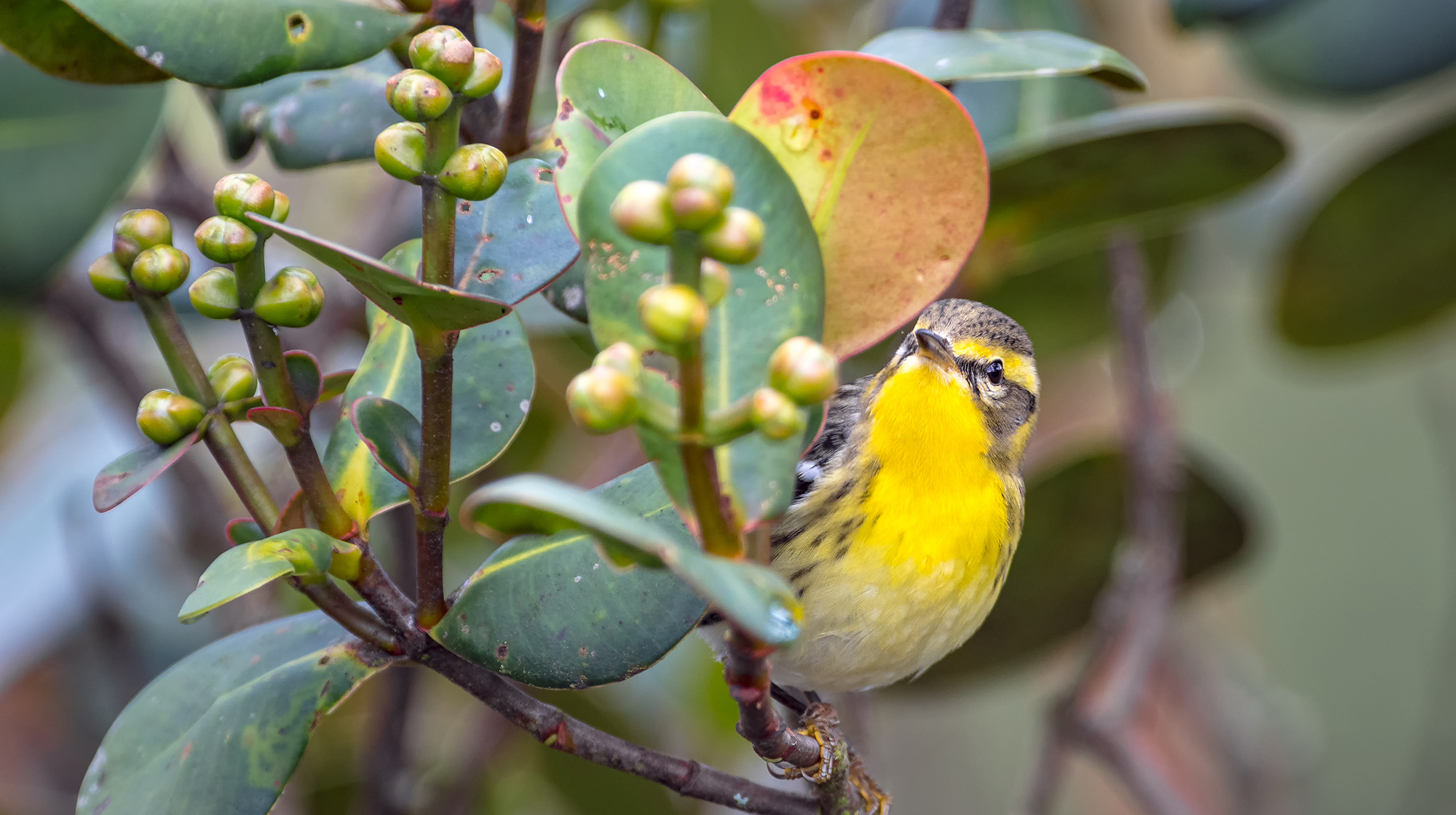
Native plants provide natural food, shelter, and nesting support that wildlife instinctively rely on. Because these plants evolved alongside local species, birds and pollinators are more likely to feed, nest, and thrive among them. Native plants support a healthier backyard ecosystem.
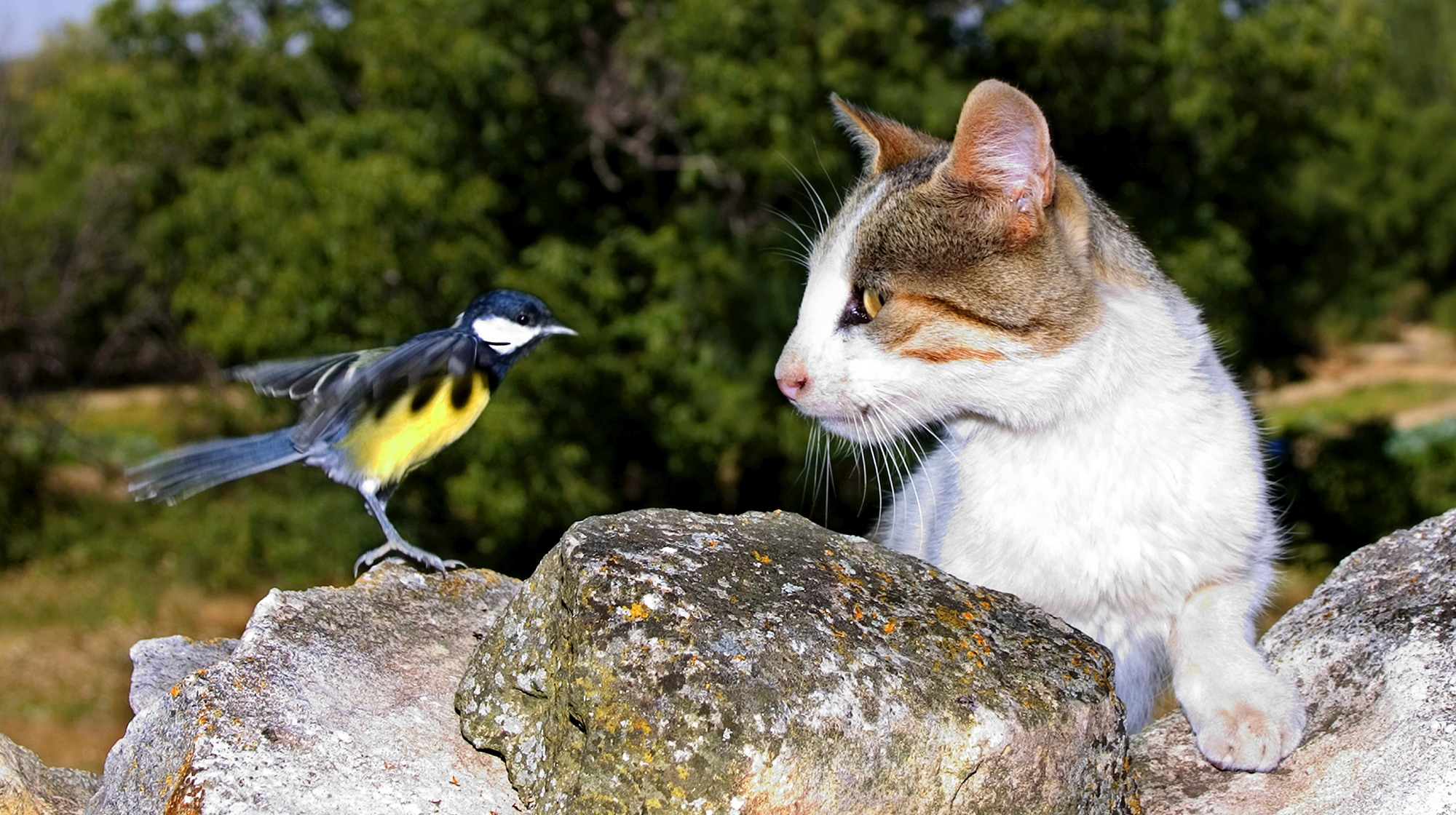
Pets can influence how wildlife behaves in your yard. Free-roaming cats and dogs may disturb nesting areas and reduce wildlife activity, so mindful supervision and designated pet areas help create a safer, more welcoming environment for birds and other backyard animals overall.