Miss Scarlett Red Anise
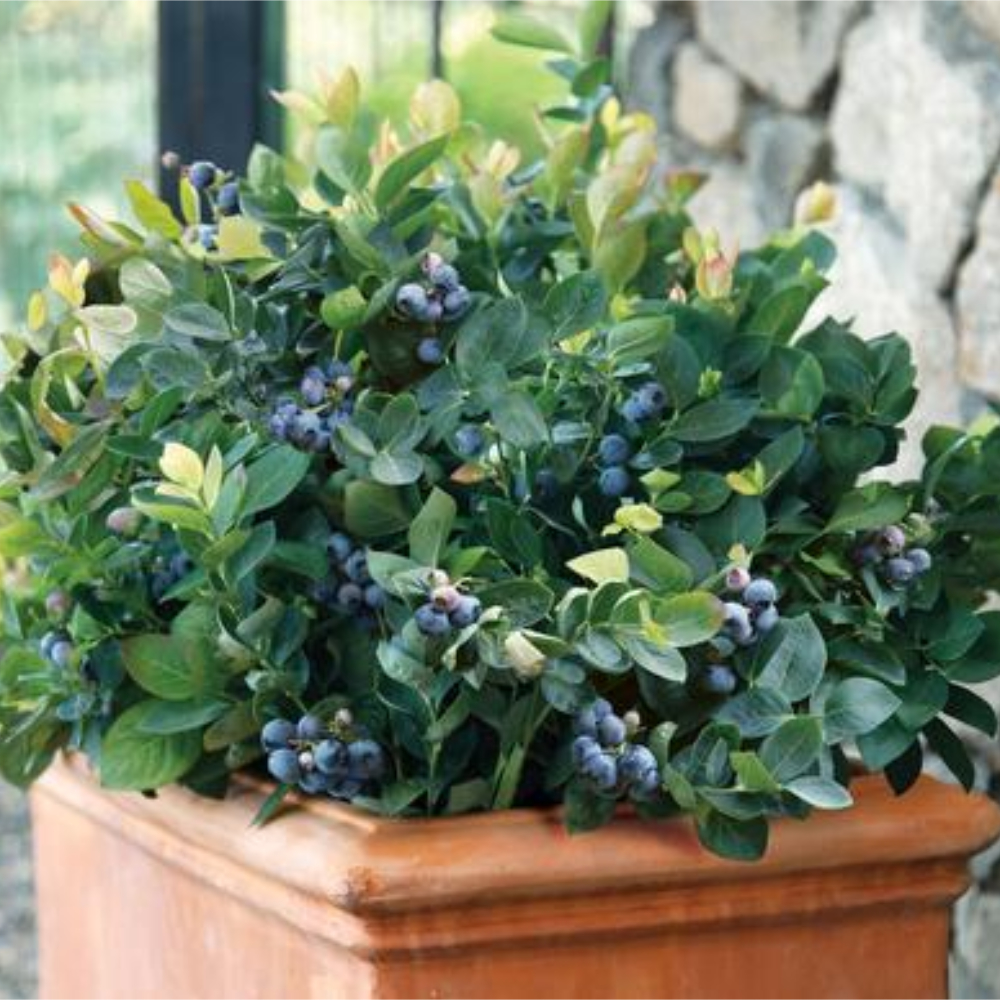
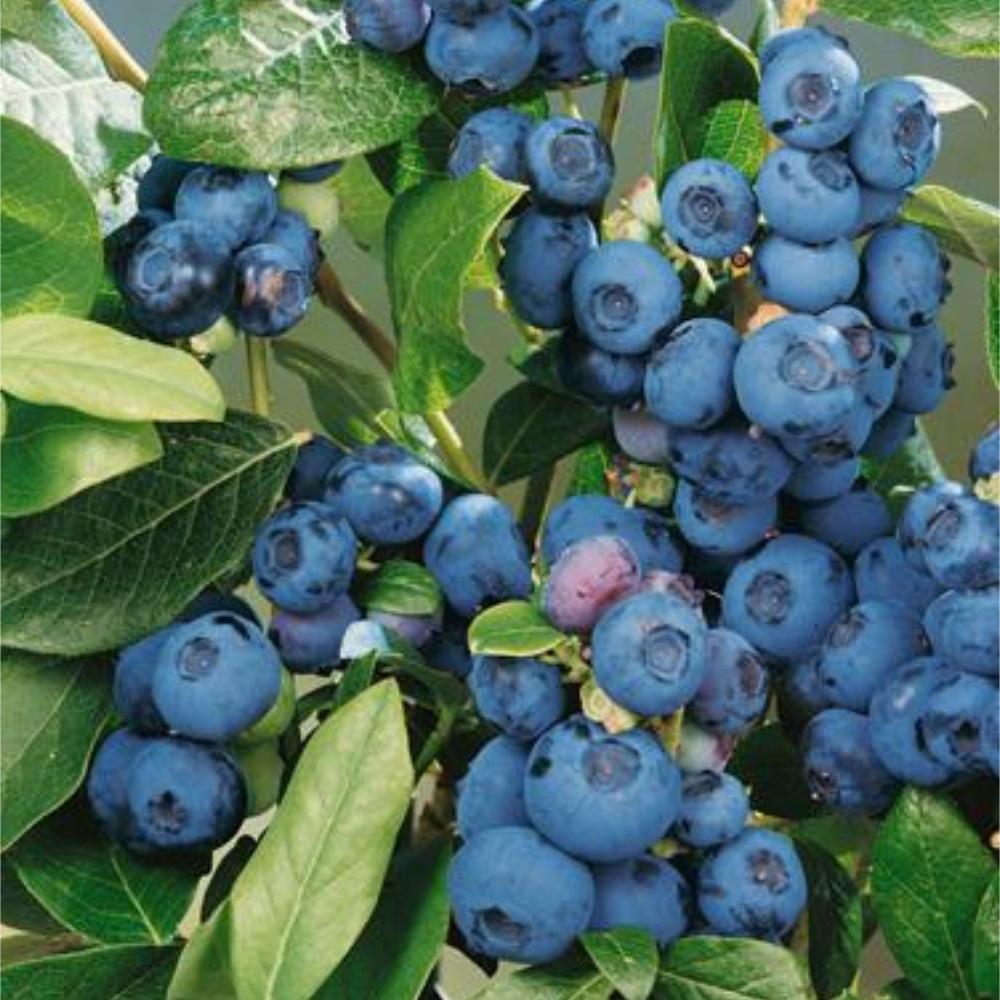
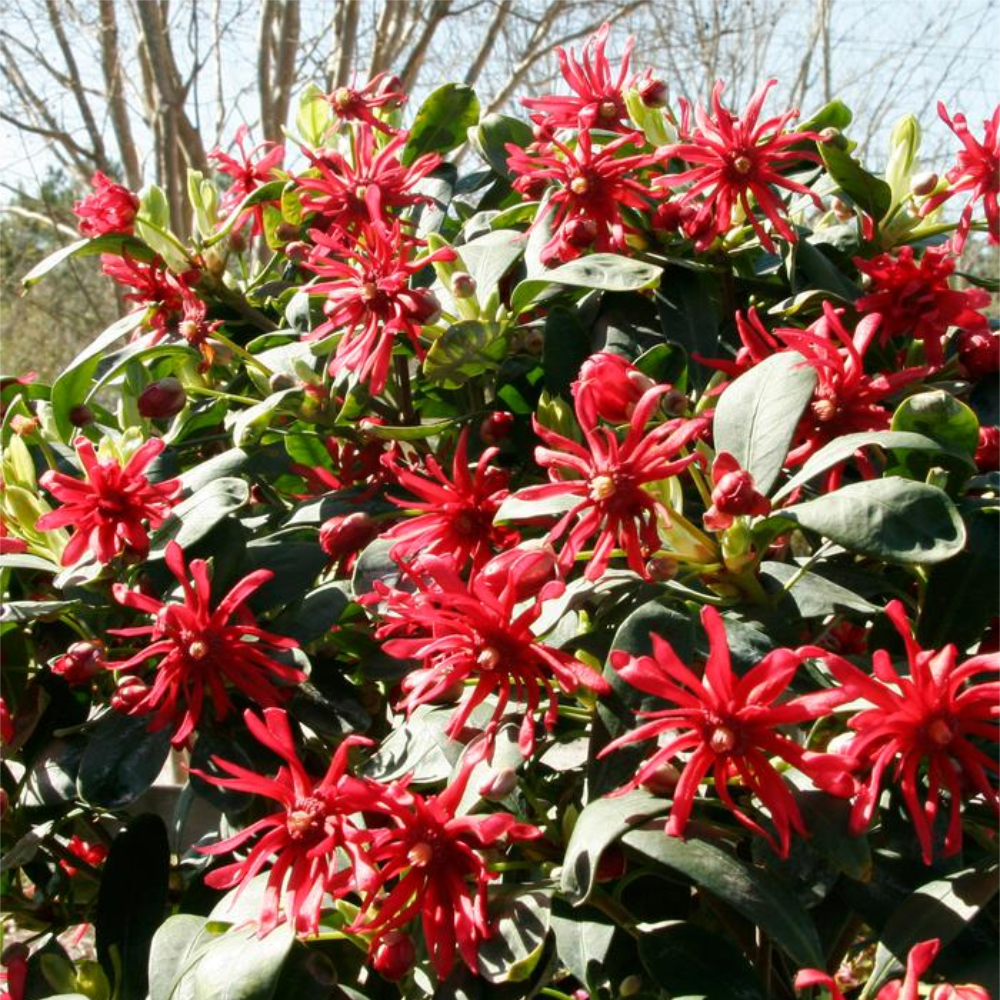
Illicium floridanumAnise Miss Scarlett Red (Agastache ‘Miss Scarlett Red’) is a beautiful perennial that brings vibrant color and fragrance to your garden. Known for its bold red tubular flowers, it blooms profusely from late spring through fall, attracting pollinators like bees, butterflies, and hummingbirds. The aromatic foliage, which has a hint of anise or licorice scent, enhances the sensory appeal of your garden. This compact shrub offers both visual and olfactory interest, making it perfect for pollinator-friendly gardens.
Reaching a height of 2-3 feet, it is ideal for garden borders, mixed beds, or containers. It thrives in full sun and well-drained soil, offering a low-maintenance solution to adding year-round color and beauty. This hardy plant is drought-tolerant once established, making it an excellent choice for gardeners looking for a durable, easy-care shrub that provides beauty with minimal effort.
Care Instructions:
Planting:
Plant Anise Miss Scarlett Red in a location with at least 6 hours of direct sunlight per day. Choose well-draining soil to avoid root rot. Dig a hole that’s twice the size of the root ball and space plants 18-24 inches apart for good air circulation.
Watering:
Water regularly to keep the soil consistently moist, especially during dry periods. Once established, Anise Miss Scarlett Red is drought-tolerant, but it thrives best with occasional watering during hot weather. Avoid overwatering, which can lead to root rot.
Pruning:
Prune in early spring before new growth appears to remove dead or damaged stems. After flowering, trim back spent blooms to encourage additional flowers. Regularly deadhead spent flowers to keep the plant tidy and promote continued blooming.
Pest Control:
Anise Miss Scarlett Red is generally resistant to pests, but occasional aphids, spider mites, or whiteflies can appear. Regularly inspect for pests and treat with organic insecticidal soap or neem oil as needed. Remove debris around the plant to reduce pest habitats.
Soil Tips:
This plant prefers well-drained, slightly acidic to neutral soil. Adding compost or organic matter before planting can improve soil fertility and drainage. Ensure the soil is loose and well-draining to prevent waterlogging, which can cause root rot.