Tom Thumb Arborvitae
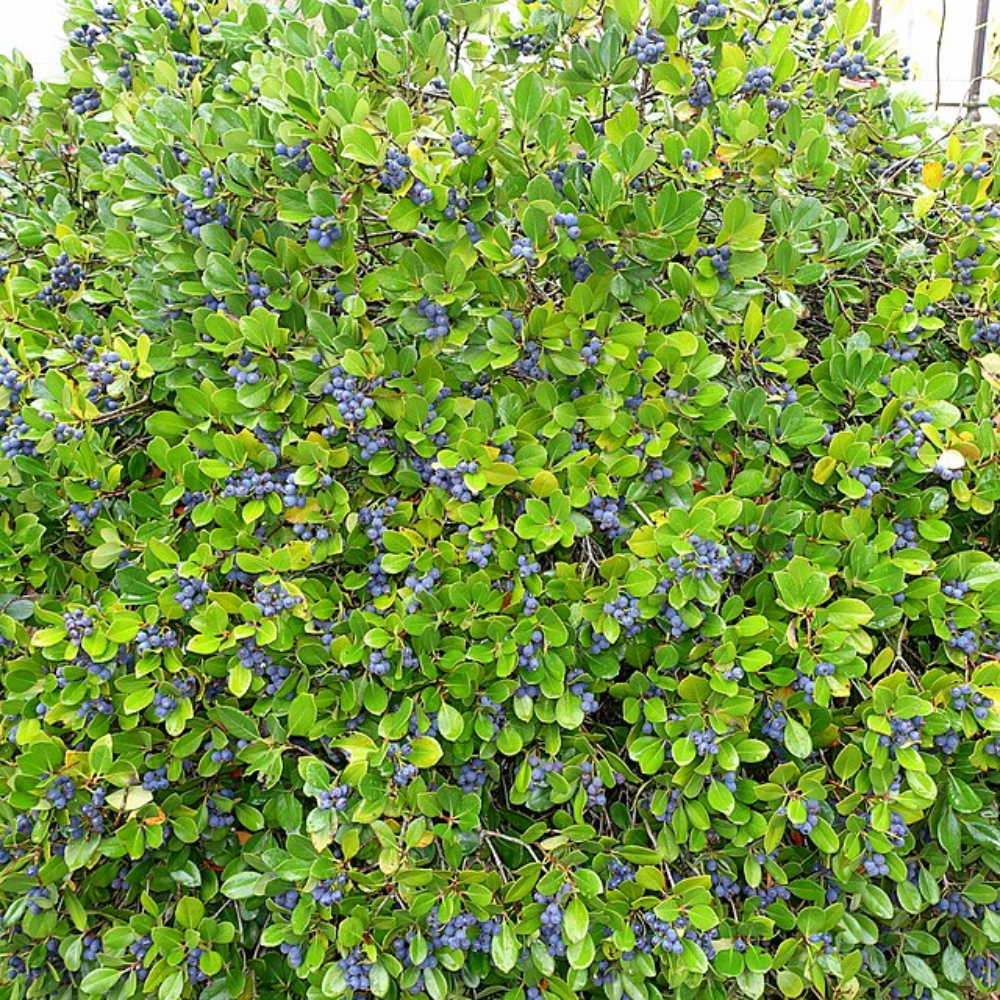
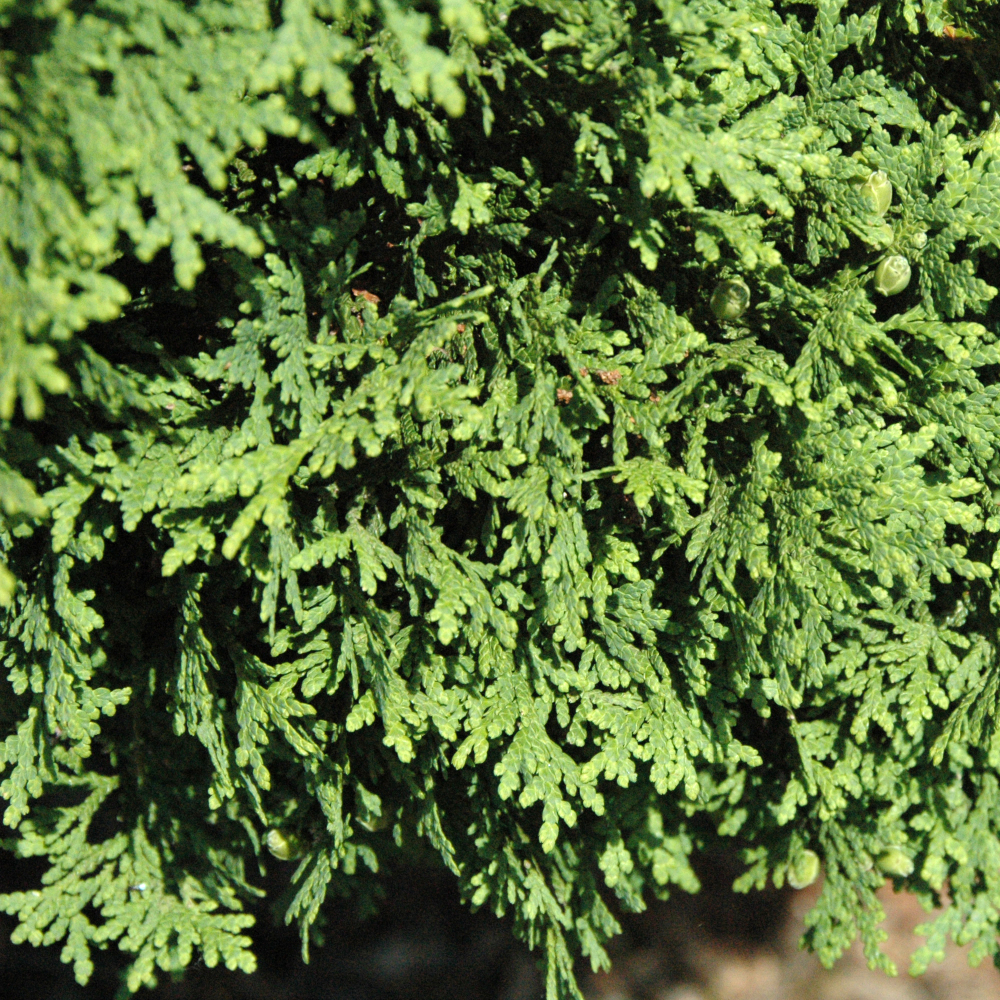
Thuja occidentalis 'Tom Thumb'Arborvitae Tom Thumb (Thuja occidentalis ‘Tom Thumb’) is a dwarf, evergreen shrub that brings year-round greenery and structure to smaller landscapes. Known for its dense, rich green foliage, this plant maintains its vibrant color throughout the seasons. Its compact, globe-shaped form grows to only about 12-18 inches tall and wide, making it perfect for small gardens, containers, or as a low-maintenance hedge or border plant.
Ideal for providing structure in a variety of garden settings, Arborvitae Tom Thumb works well in both formal and informal landscapes. Its dense foliage also acts as a natural privacy screen in smaller spaces, offering a soft, year-round barrier. Whether planted in the ground or in a container, it adds a touch of elegance and consistency to your garden design. This hardy shrub thrives in full sun to partial shade and requires minimal care, making it an excellent choice for gardeners seeking a low-maintenance, yet visually appealing, evergreen plant.
Care Instructions:
Planting:
Plant Arborvitae Tom Thumb in a location that receives at least 4-6 hours of sunlight per day. Ensure the soil is well-draining, as this plant does not like wet feet. Dig a hole twice the size of the root ball and place the shrub at the same depth it was in the container. Space multiple plants 2-3 feet apart.
Watering:
Water Arborvitae Tom Thumb regularly to keep the soil consistently moist, especially during dry spells. Once established, this plant is relatively drought-tolerant but will benefit from occasional deep watering. Avoid overwatering, as excess moisture can lead to root rot.
Pruning:
Prune Arborvitae Tom Thumb sparingly to maintain its compact, rounded shape. Trim back any dead or damaged branches in early spring before new growth begins. Avoid heavy pruning, as it can cause the plant to lose its natural form and density.
Pest Control:
Arborvitae Tom Thumb is generally resistant to pests but can occasionally attract spider mites or scale insects. Regularly inspect the plant for pests and treat with organic insecticidal soap if necessary. Keep the area around the plant clean to reduce pest buildup.
Soil Tips:
This plant prefers well-draining, slightly acidic to neutral soil. Enrich the planting area with compost or organic matter to improve soil structure and fertility. Avoid heavy clay soils that retain moisture, as this can lead to root rot. Make sure the soil drains well to keep the roots healthy and prevent disease.