Aucuba Green
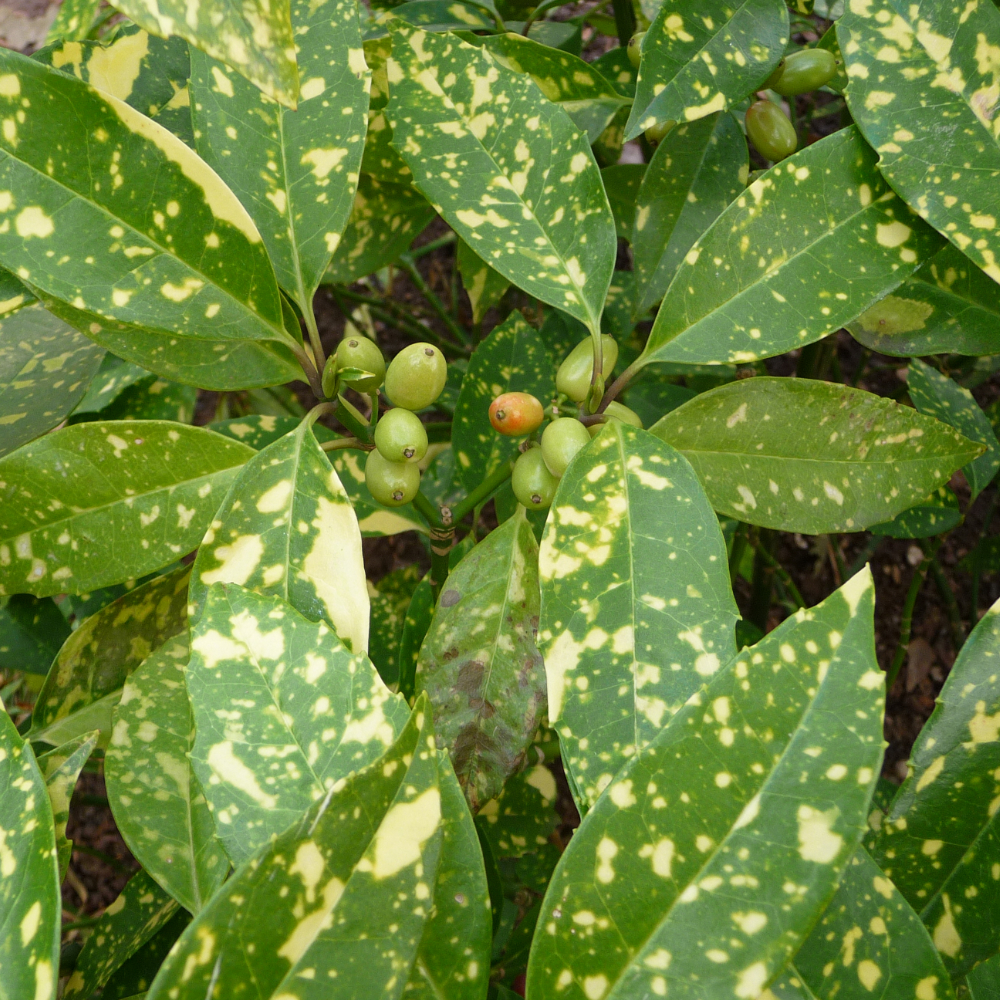
Aucuba japonicaAucuba Green (Aucuba japonica) is a versatile evergreen shrub valued for its glossy, dark green foliage. This plant thrives in shady conditions, making it perfect for areas where other plants may struggle to grow. With its dense, lush leaves, Aucuba Green adds texture and structure to any garden or landscape, providing visual interest year-round. Although it is primarily known for its attractive foliage, it can also produce small, inconspicuous red berries in the fall if male and female plants are nearby.
Growing to a height of 3-6 feet, it is ideal for use in foundation plantings, hedges, or as an accent plant in shaded garden beds. It adapts to a variety of soil types and is known for being low-maintenance. This hardy shrub is perfect for gardeners seeking an attractive, reliable plant that thrives in difficult growing conditions, particularly in areas with limited sunlight. Whether used as a backdrop for other plants or as a standalone feature, it provides consistent greenery and visual appeal throughout the year.
Care Instructions:
Planting:
Plant Aucuba Green in partial to full shade, as it thrives in low-light conditions. Choose a location with well-draining soil. Dig a hole twice the size of the root ball, ensuring the top of the root ball is level with the ground. Space plants 3-5 feet apart for optimal growth.
Watering:
Water regularly to keep the soil evenly moist, especially during dry spells. Aucuba Green prefers consistent moisture but does not tolerate standing water. Once established, it is somewhat drought-tolerant but will benefit from occasional deep watering.
Pruning:
Prune Aucuba Green in late winter or early spring before new growth appears. Trim away any dead or damaged branches to promote healthy growth. Light pruning can help maintain its shape, but avoid heavy pruning as it can affect the plant’s natural form.
Pest Control:
Aucuba Green is generally pest-resistant, but it may occasionally attract scale insects or spider mites. Regularly inspect the plant for pests and treat with organic insecticidal soap or neem oil if necessary. Keep the surrounding area free of debris to discourage pests.
Soil Tips:
This plant adapts to a wide range of soil types, but it thrives in well-draining, slightly acidic to neutral soil. To improve drainage, amend heavy soils with compost. Avoid overly dry or waterlogged conditions, as these can lead to poor growth or root rot.