Picturata Aucuba
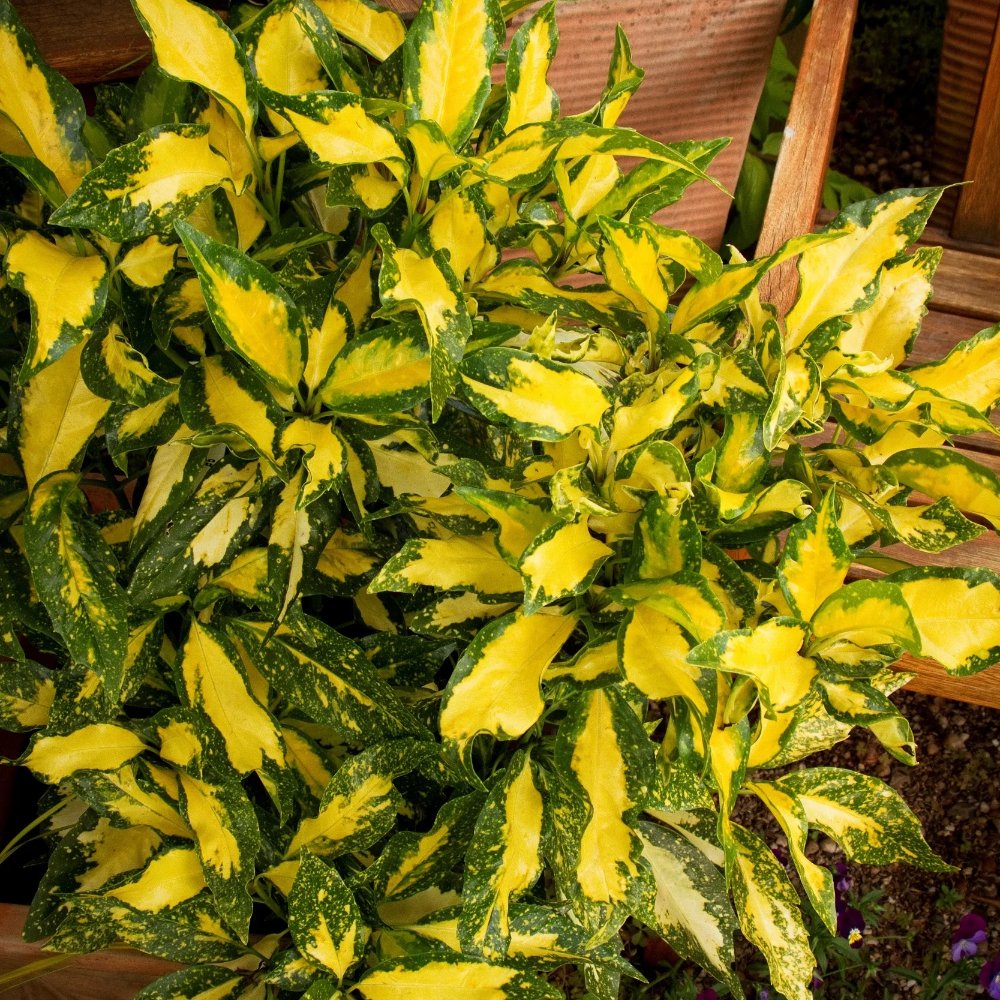
Aucuba japonica 'Picturata'Aucuba Picturata (Aucuba japonica ‘Picturata’) is a stunning evergreen shrub that stands out for its striking variegated leaves. The leaves are a beautiful blend of dark green with yellow or cream spots, offering a lively contrast and year-round visual interest. This hardy shrub thrives in shady conditions, making it an ideal plant for low-light gardens, under trees, or as an accent in borders and foundation plantings.
Aucuba Picturata grows to a height of 4-6 feet and has a similar spread, making it perfect for creating dense, lush backdrops or hedges. In addition to its eye-catching foliage, this plant is relatively low-maintenance and adaptable, thriving in various soil types. It is also a valuable plant for adding texture and structure to shady garden areas, as it offers steady greenery throughout the year and can tolerate conditions where many other plants fail to thrive.
Care Instructions:
Planting:
Plant Aucuba Picturata in a spot that receives partial to full shade. It thrives in moist, well-draining soil, but it is adaptable to a range of soil conditions. Dig a hole twice as wide as the root ball, ensuring the top of the root ball is level with the ground.
Watering:
Water regularly to keep the soil evenly moist. It prefers consistent moisture, but it doesn’t tolerate waterlogged soil. Once established, it’s moderately drought-tolerant, though it will perform best with consistent watering during dry spells.
Pruning:
Prune in late winter or early spring to remove any dead or damaged branches. Light pruning can help maintain a tidy appearance, but avoid heavy cutting, as it may interfere with the plant’s natural shape and the variegated foliage pattern.
Pest Control:
Aucuba Picturata is fairly pest-resistant but can occasionally attract scale insects, aphids, or spider mites. Inspect the plant regularly for pests and treat with insecticidal soap or neem oil if necessary. Removing fallen leaves and debris can also help reduce pest problems.
Soil Tips:
Aucuba Picturata prefers well-draining, slightly acidic to neutral soil. It’s adaptable to various soil types but thrives in moist, organically enriched soil. Improve soil drainage if needed by adding compost to heavy or clay soils. Avoid dry, compacted soils that may hinder growth.