Camellia 'Winter's Interlude'
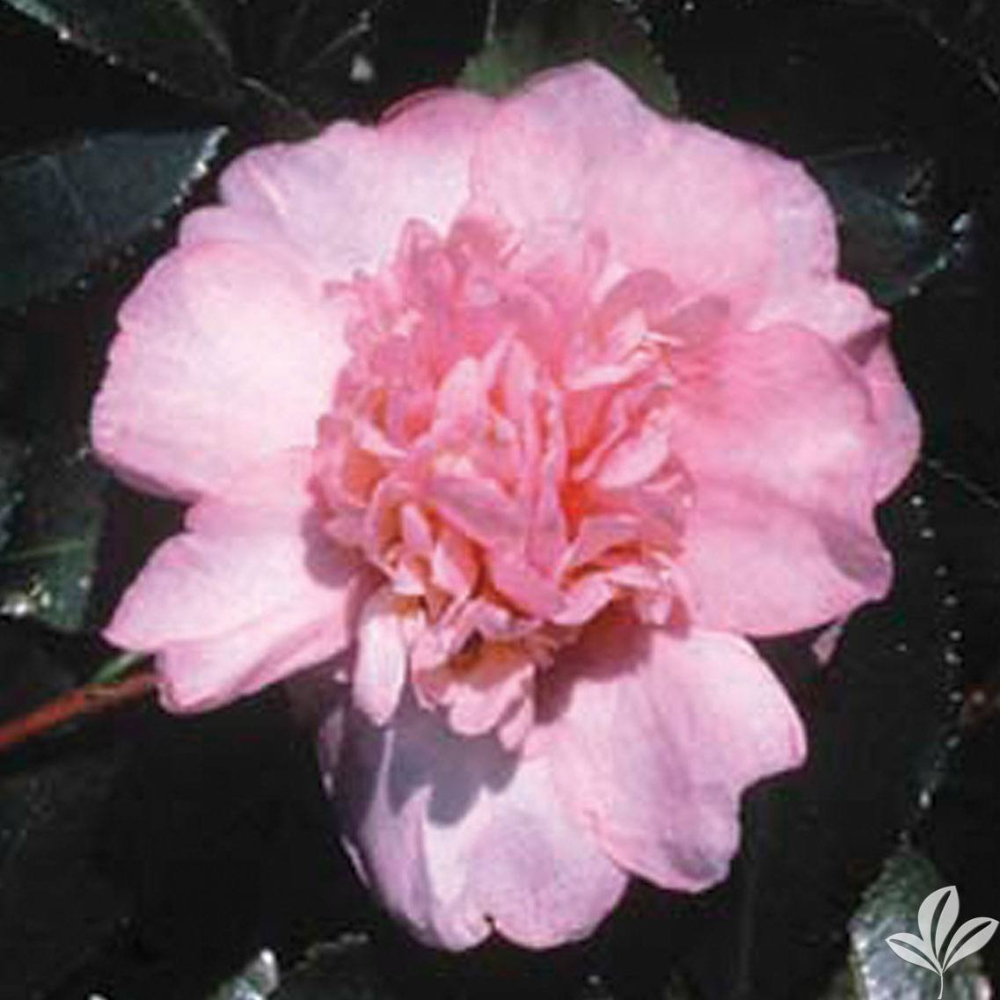
Camellia hybrid 'Winter's Interlude'Camellia ‘Winter’s Interlude’ is a charming cold-hardy camellia known for its soft pink blooms that appear from mid-winter into early spring. Each flower features gently overlapping petals, creating a semi-double form that brings elegance and subtle color to the garden when few other plants are in bloom. Its deep green, glossy evergreen foliage provides year-round structure, allowing it to remain a standout shrub through every season. This variety is especially valued for its reliable winter flowering and resilience in cooler climates, making it a wonderful addition to woodland gardens, sheltered borders, or foundation plantings.
With its upright yet manageable growth habit, ‘Winter’s Interlude’ is both versatile and visually appealing. It thrives in partial shade and prefers acidic, well-draining soil rich in organic matter. Gardeners appreciate its consistent blooming performance, low-maintenance care requirements, and ability to enhance the landscape with soft, welcoming color during the coldest months of the year. When properly cared for, it offers decades of beauty, dependable flowering, and graceful structure, making it a lasting favorite among camellia enthusiasts.
Care Instructions
Planting
Plant in partial shade and protect from harsh afternoon sun. Set the root ball slightly above soil level. Use acidic, well-draining soil enriched with organic material.
Watering
Keep soil consistently moist but not soggy. Deep water weekly during dry periods and increase watering in late summer to support healthy bud development.
Pruning
Prune immediately after blooming. Remove dead or crossing branches and lightly shape the plant to promote airflow and maintain structure.
Pest Control
Watch for scale, aphids, and spider mites. Treat early with horticultural oil or insecticidal soap. Increase airflow to reduce fungal problems.
Soil Tips
Use acidic, organic-rich soil with excellent drainage. Apply mulch annually to conserve moisture, protect shallow roots, and regulate soil temperature.