Grape Vine 'Muscadine'
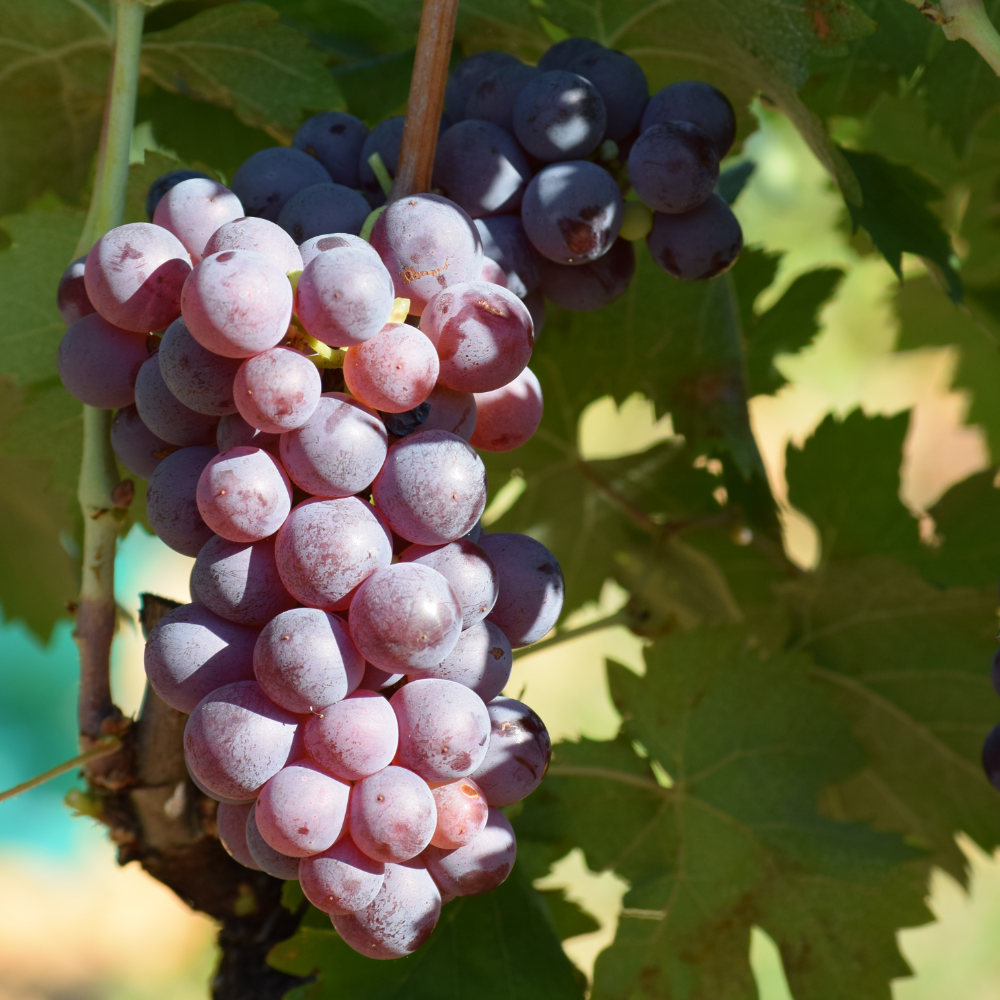
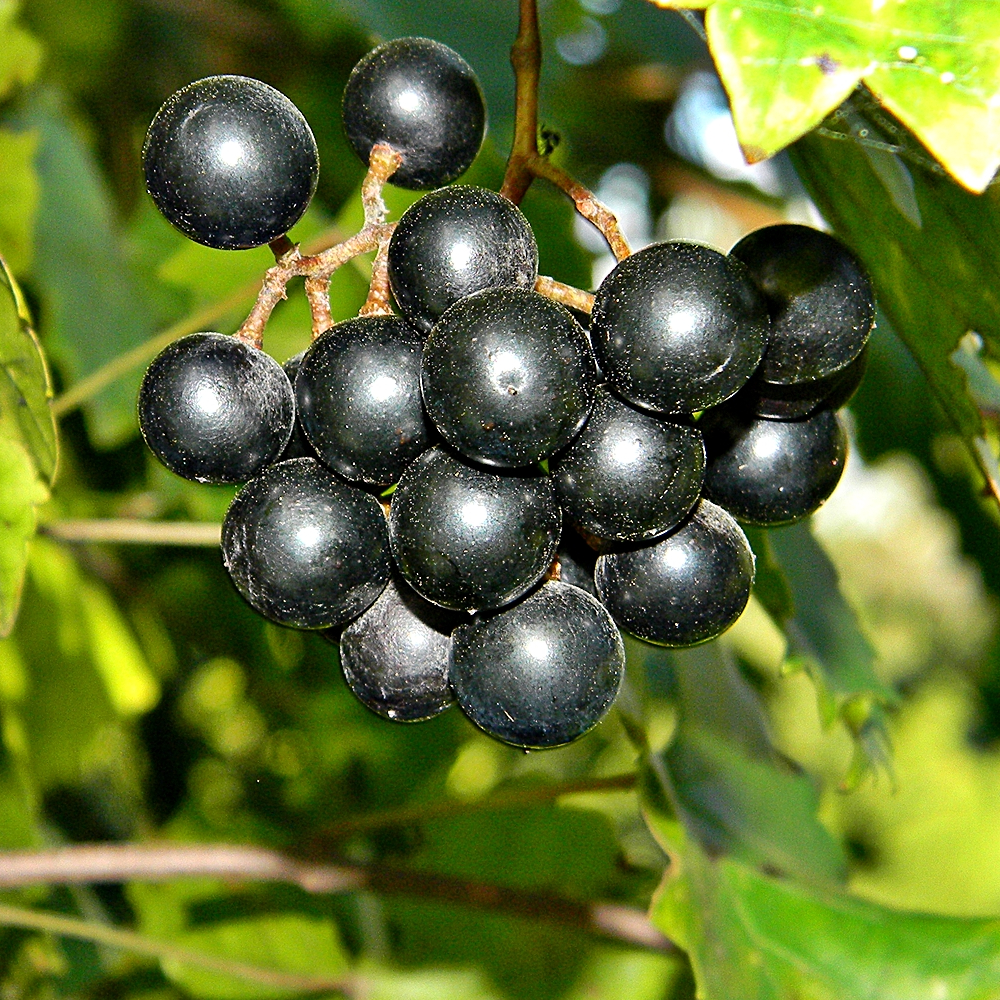
Grape Vine 'Muscadine' is a heat-loving, disease-resistant Southern favorite that produces large, sweet, thick-skinned grapes perfect for wine, jelly, and fresh eating.The Grape Vine ‘Muscadine’ (Vitis rotundifolia) is a native Southern grape prized for its large, juicy berries and bold, musky-sweet flavor. Grown throughout the southeastern U.S., Muscadines are especially valued for their heat tolerance, disease resistance, and antioxidant-rich fruit. With thick skins and a robust taste, they are ideal for eating fresh, making jelly, or fermenting into wine.
Muscadine vines are vigorous growers that can reach 20 feet or more if not pruned. Unlike traditional grapes, Muscadines thrive in hot, humid climates and are naturally resistant to many pests and diseases, including Pierce’s disease and powdery mildew. Most varieties are either male or female, so planting both sexes (or a self-fertile type) is necessary for fruit production. The vines bear fruit in late summer to early fall, and with proper care, can produce for decades.
These grapes not only provide delicious harvests but also serve as attractive additions to garden arbors or trellises. For Southern gardeners seeking low-maintenance fruit with bold flavor and nutritional benefits, the Muscadine is a top contender.
Care Instructions
Planting:
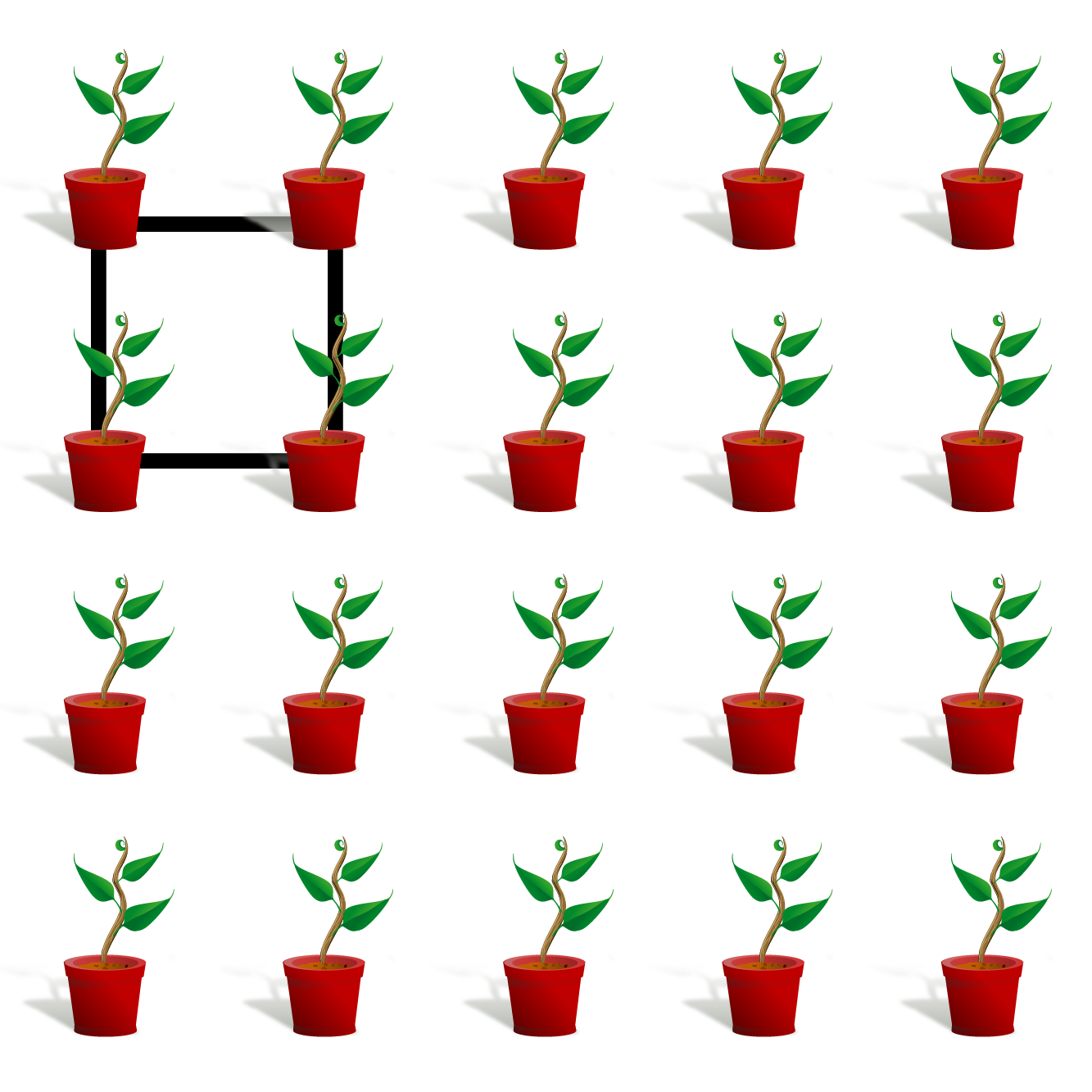
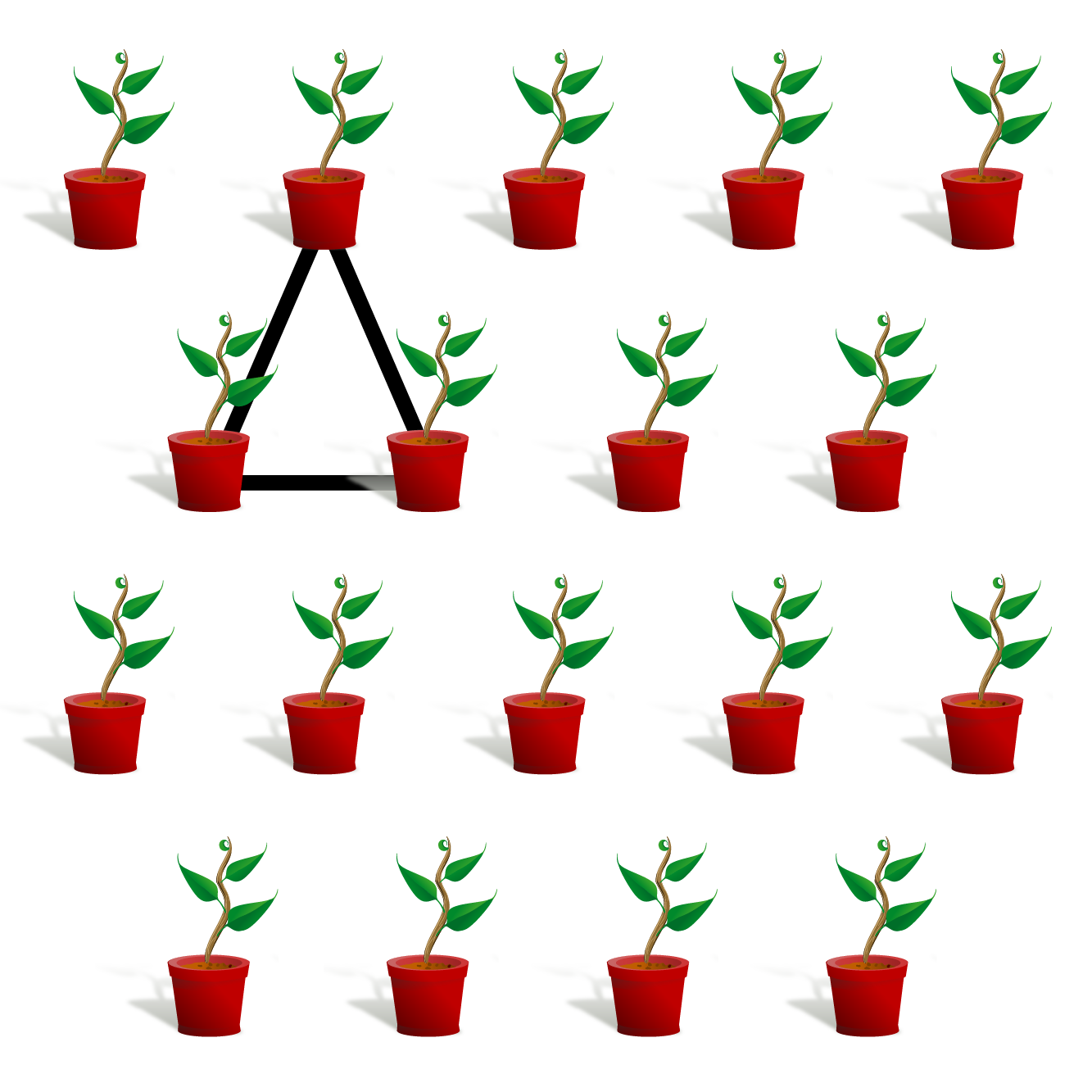
Plant in full sun with good air circulation. Use a strong trellis or arbor. Space vines 10–15 feet apart. Best planted in spring or fall.
Watering:
Water regularly during the first two years. Once established, they are drought-tolerant but benefit from deep watering during dry spells.
Pruning:
Prune annually in late winter. Remove old, tangled wood and train to a single trunk for best productivity and air flow.
Pest Control:
Naturally disease-resistant. Watch for Japanese beetles and fruit flies. Use organic insect controls if needed and harvest ripe fruit promptly.
Soil Tips:
Prefers well-drained sandy or loamy soil with a pH of 5.5–6.5. Avoid heavy clay. Mulch to retain moisture and suppress weeds.