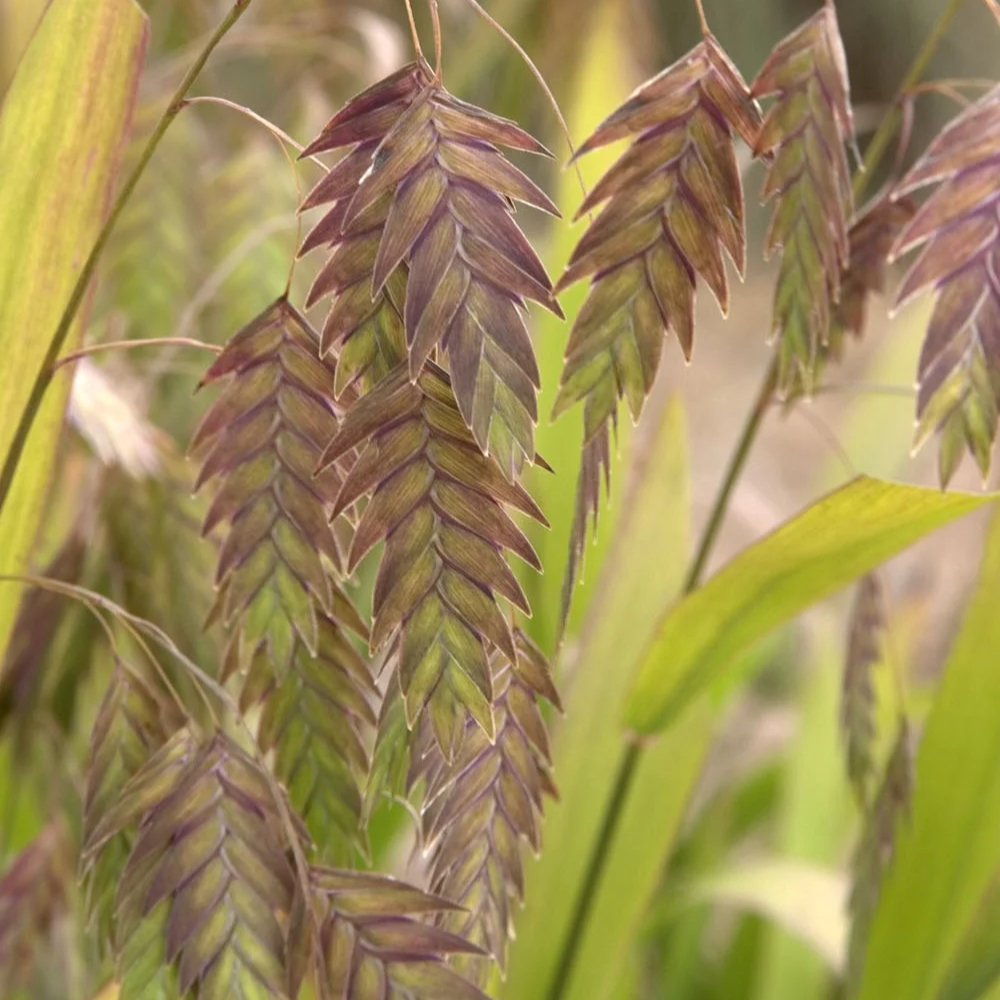
Northern Sea Oats
Chasmanthium latifoliumSea Oats (Uniola paniculata) is an iconic coastal grass recognized for its tall, slender stems and delicate, oat-like seed heads that sway beautifully in ocean breezes. Native to coastal dunes, it plays a vital ecological role by stabilizing sandy soils with its extensive root system. This makes it an excellent choice for seaside landscapes, dune restoration, and areas prone to erosion. Beyond its functionality, Sea Oats provides striking vertical movement and texture, enhancing the natural beauty of beaches and coastal gardens.
With its ability to tolerate high winds, salt spray, drought, and nutrient-poor soils, it thrives where few other plants can survive. Its golden seed heads emerge in summer and persist into fall, adding seasonal interest while supporting coastal wildlife, including birds and small mammals. Although primarily used in naturalized and conservation settings, Sea Oats can be incorporated into coastal-style residential landscapes when space and conditions allow. Low-maintenance, hardy, and visually elegant, it remains a standout choice for environmentally conscious gardeners and coastal property owners.
Care Instructions
Planting
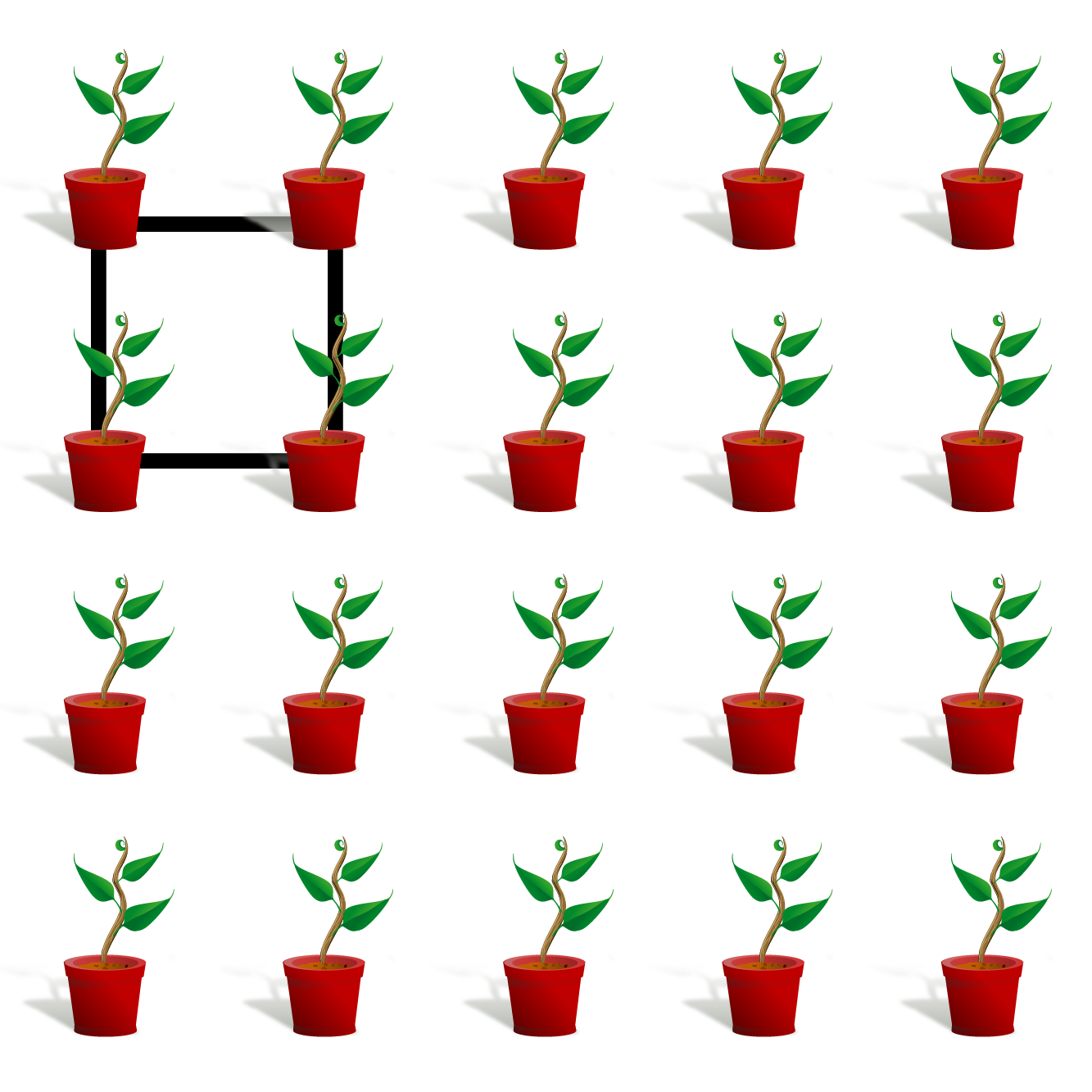
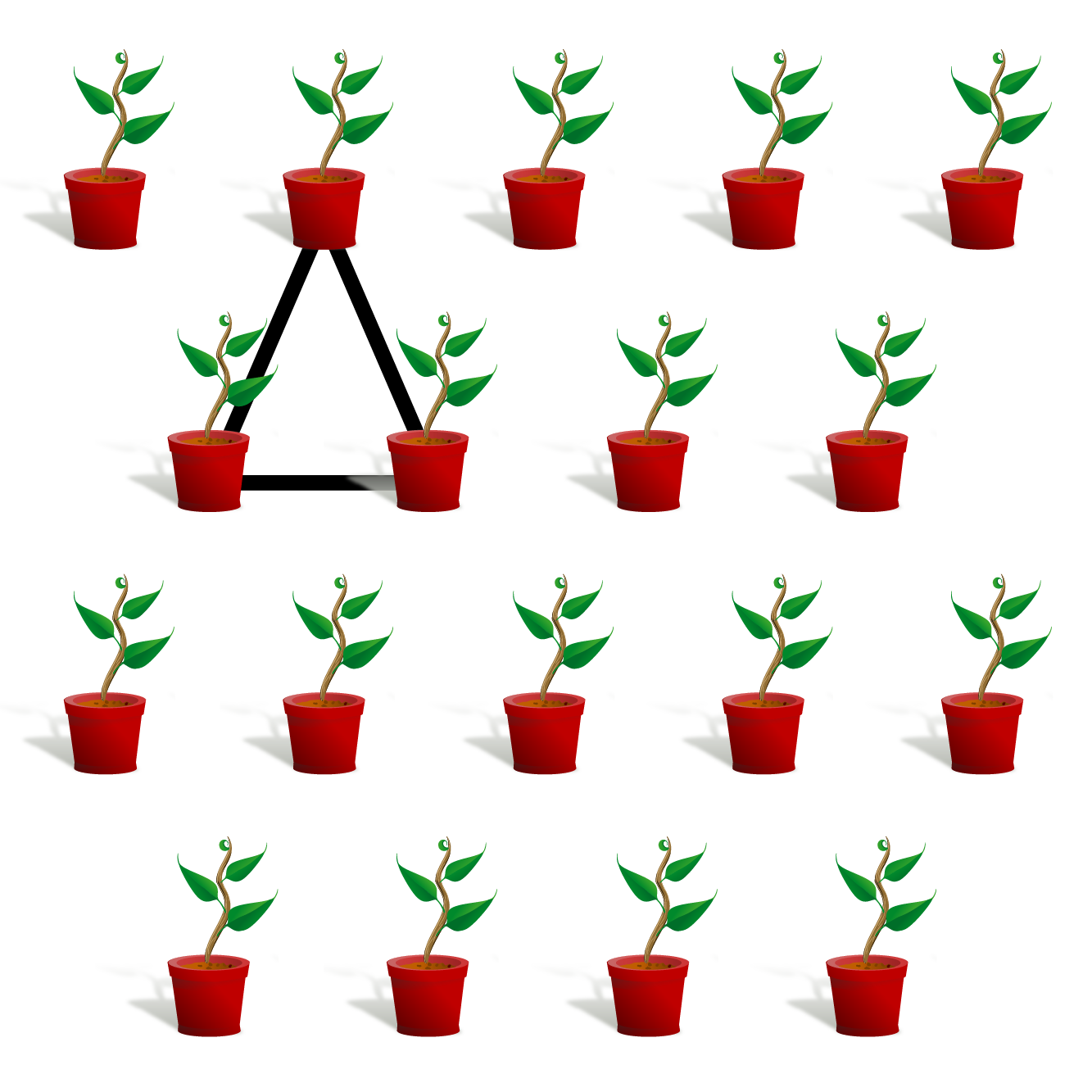
Plant in full sun with sandy, well-drained soil. Space plants 24–36 inches apart. Ideal for dunes, slopes, and coastal sites.
Watering
Water regularly during establishment. Once mature, Sea Oats is extremely drought-tolerant and needs minimal supplemental watering.
Pruning
Avoid heavy pruning. Remove only dead or damaged stems in late winter if needed.
Pest Control
Naturally resistant to most pests. Monitor for occasional fungal leaf spotting; remove affected foliage if noticed.
Soil Tips
Best in sandy, loose soils. Avoid rich or compacted soils. Does not require fertilizer and thrives in nutrient-poor environments.