Little Henry® Dwarf Virginia Sweetspire
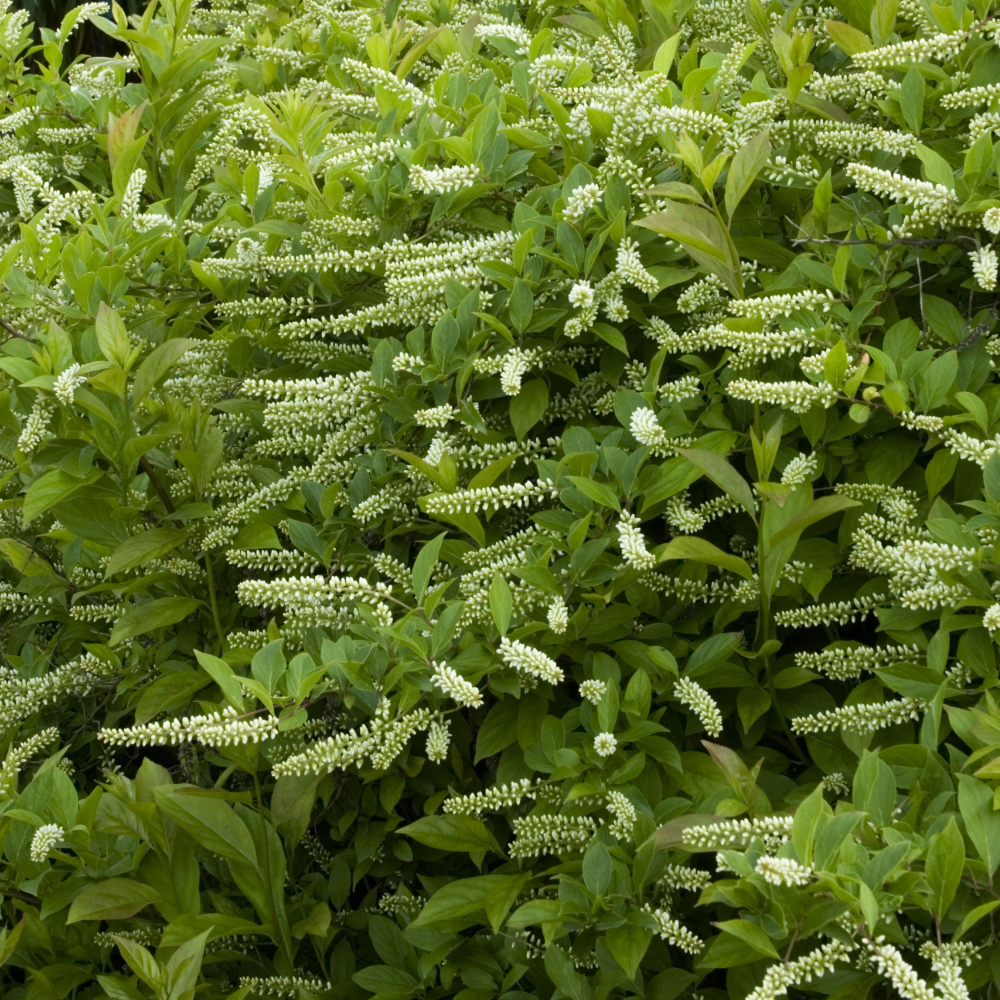
Itea virginica 'Sprich'Little Henry Itea is a compact, deciduous shrub celebrated for its delicate, fragrant white flowers and striking fall foliage. Blooming in late spring to early summer, the slender, bottlebrush-like flower spikes attract pollinators like bees and butterflies, adding both beauty and biodiversity to the garden. As summer fades, the glossy green leaves transform into vibrant shades of red and burgundy, creating an eye-catching display that lasts well into autumn. Its tidy, rounded form, typically reaching 2–3 feet in height, makes it ideal for small gardens, foundation plantings, borders, and even container gardens.
This versatile shrub thrives in full sun to partial shade and is valued for its low-maintenance requirements, cold hardiness, and reliable seasonal interest. Little Henry Itea performs well in a variety of soils, particularly moist, well-draining soils, and can tolerate slightly acidic conditions. Its compact size and graceful branching make it an excellent choice for gardeners seeking a small ornamental shrub that provides multi-season color, fragrance, and texture. Whether planted individually or in groups for mass color, Little Henry Itea adds elegance, charm, and year-round appeal to any landscape.
Care Instructions
Planting
Plant in full sun to partial shade. Dig a hole slightly larger than the root ball and set it level with the soil surface. Allow space for mature width.
Watering
Water regularly during the first growing season to establish roots. Maintain consistent moisture, especially during dry spells.
Pruning
Prune after flowering to maintain shape and remove dead or damaged branches. Light pruning encourages dense growth and better flowering.
Pest Control
Generally pest-resistant. Monitor for aphids or scale insects and treat with neem oil or insecticidal soap if needed.
Soil Tips
Prefers well-draining, fertile soil with consistent moisture. Slightly acidic soil enhances foliage color. Add compost annually to improve soil fertility.