Mulberry Red
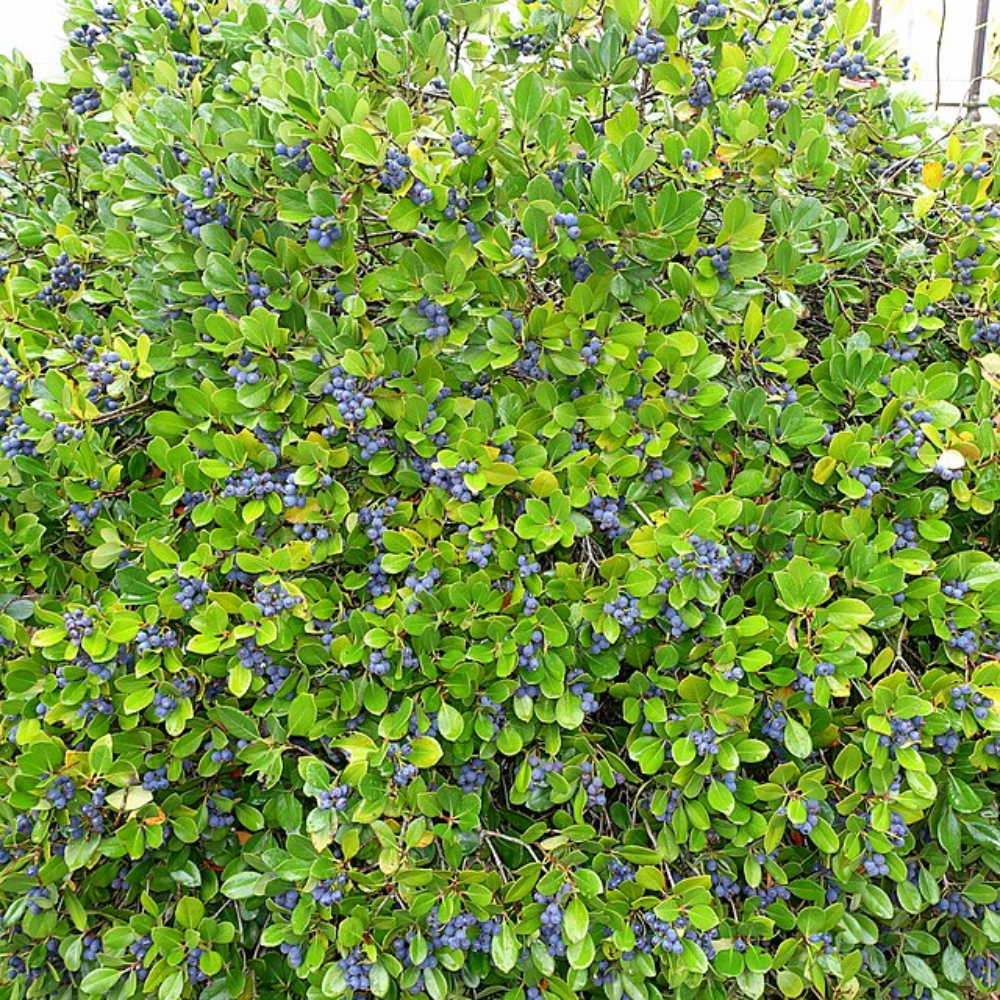
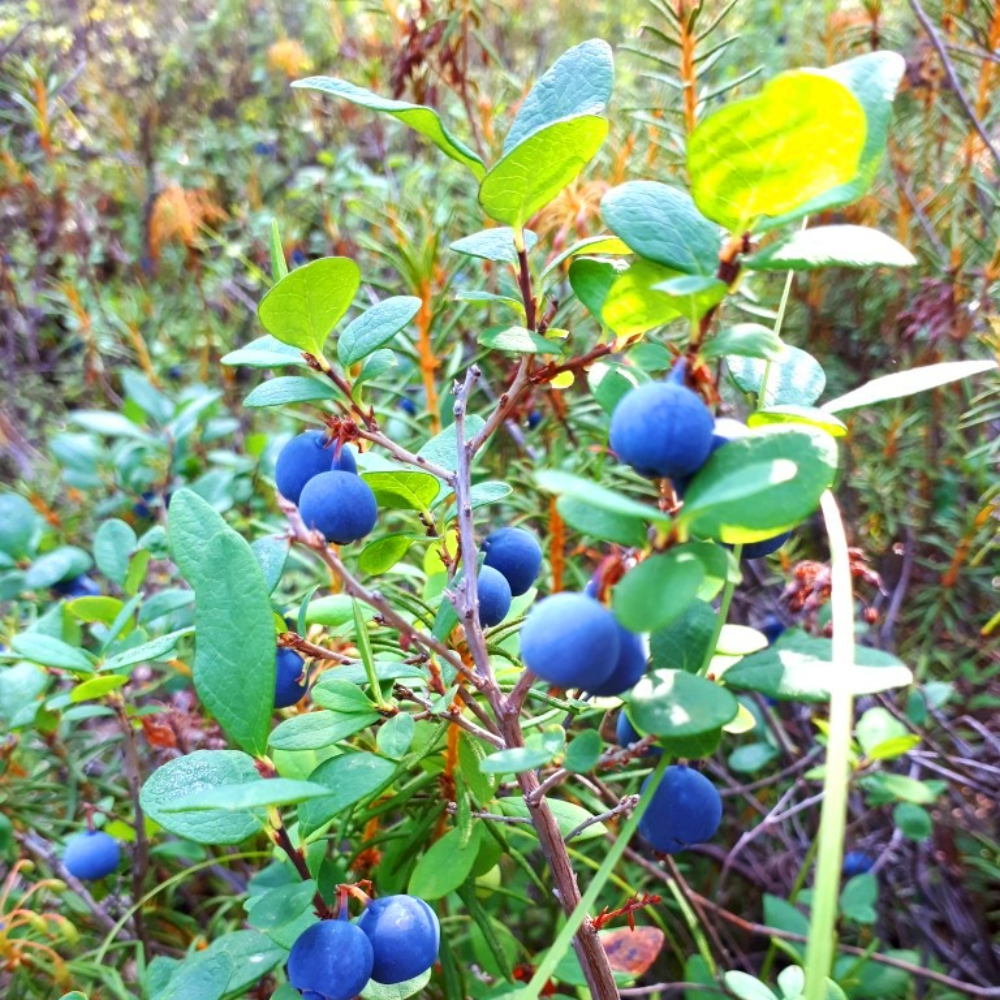
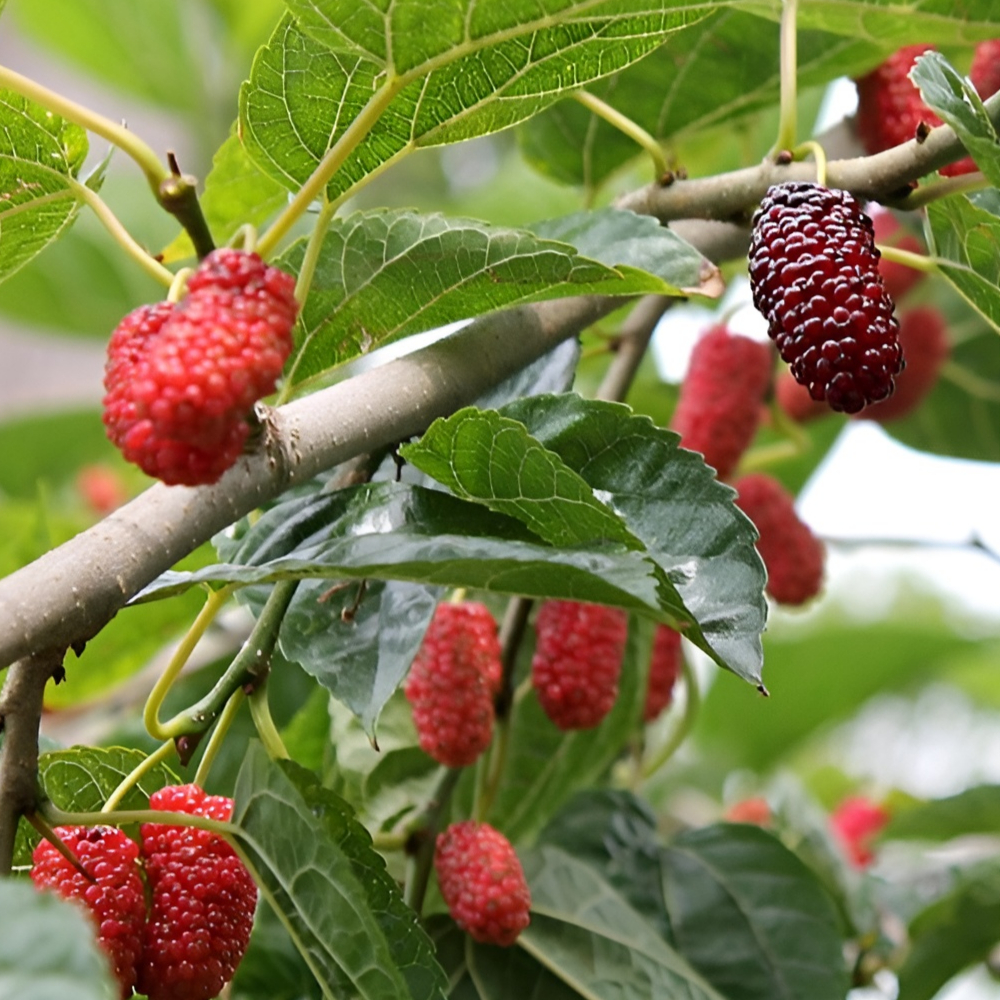
Morus RubraThe Red Mulberry (Morus rubra) is a fast-growing, deciduous tree native to eastern North America, prized for its sweet, dark purple fruits and broad, glossy leaves. Typically reaching heights of 30–50 feet with a spread of 25–40 feet, this versatile tree provides excellent shade, attractive foliage, and edible fruit that can be eaten fresh, dried, or used in jams and desserts. Its dense canopy offers shelter for birds and beneficial insects, making it a valuable addition to wildlife-friendly landscapes. Red Mulberry’s irregular branching and natural, rounded form give it an appealing, informal aesthetic suitable for gardens, parks, and backyards.
Highly adaptable, Red Mulberry thrives in a variety of soil types, including sandy, loamy, and clay soils, as long as drainage is adequate. It prefers full sun but can tolerate partial shade and is moderately drought-tolerant once established. While generally low-maintenance, occasional pruning can maintain shape and remove dead or crossing branches. Red Mulberry is susceptible to pests like scale insects or fungal diseases such as powdery mildew, but proper care and monitoring help maintain its health. Its combination of ornamental beauty, edible fruit, and ecological value makes Red Mulberry a favorite among gardeners seeking a functional and attractive tree.
Care Instructions:
Planting:
Choose full sun with well-draining soil; space 20–30 feet apart for mature growth.
Watering:
Water regularly during establishment; mature trees tolerate moderate drought.
Pruning:
Remove dead, damaged, or crossing branches in late winter; light shaping is optional.
Pest Control:
Monitor for scale, aphids, and fungal infections; treat with horticultural oil or fungicide as needed.
Soil Tips:
Prefers fertile, well-drained soil; amend heavy clay with compost to improve aeration.