Orange 'Calamondin'
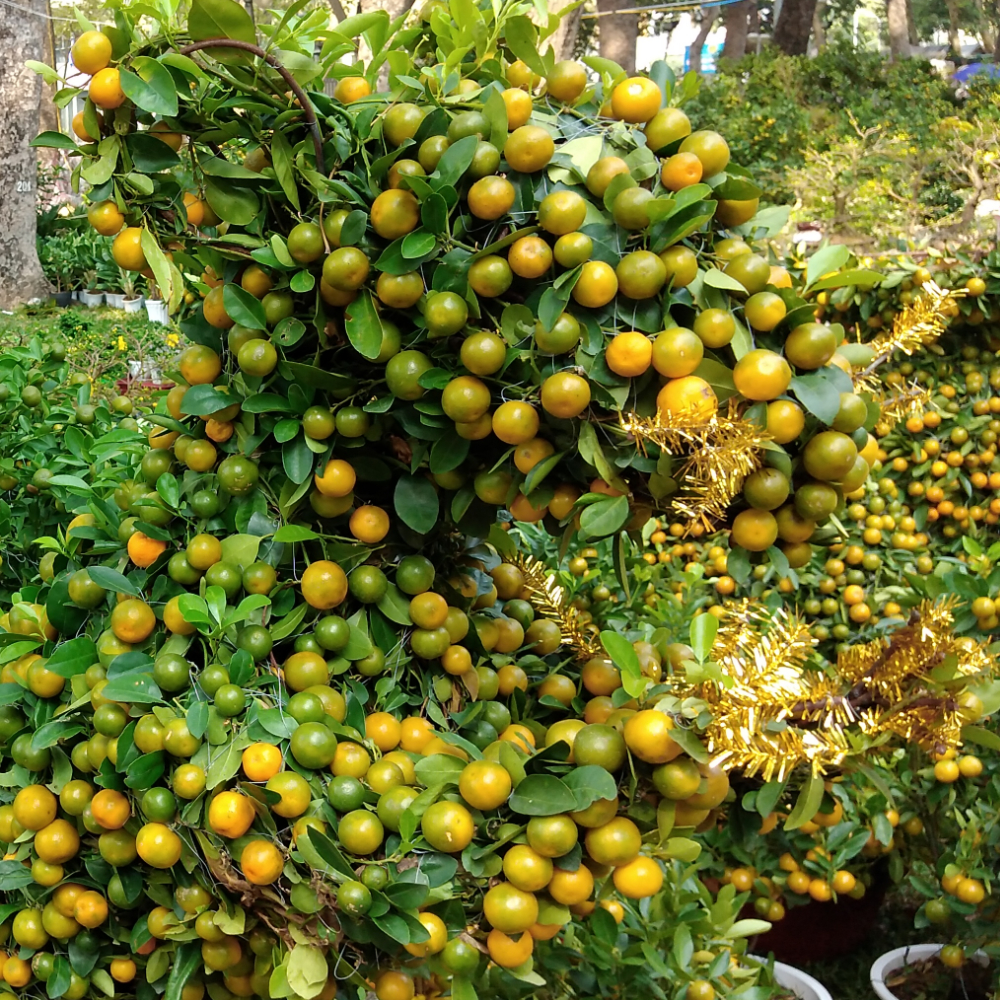
Citrus mitisThe Orange ‘Calamondin’ (Citrus × microcarpa) is a charming and compact citrus tree known for its ornamental beauty and tart, tangy fruit. Often grown as both a fruiting plant and a decorative accent, the Calamondin produces small, round, orange-colored fruits that resemble mini tangerines. Though too tart to eat fresh, the fruits are excellent for cooking, garnishing, marmalade, and adding zest to beverages and sauces.
This evergreen tree is self-pollinating and highly productive, bearing fragrant white blossoms followed by fruit almost year-round in ideal conditions. Its compact size—typically reaching 6–8 feet tall—makes it perfect for container growing on patios, balconies, or even indoors near a sunny window. The glossy green foliage and bright orange fruits give it year-round visual appeal.
Hardy in USDA Zones 9–11, the Calamondin orange tree is one of the most cold-tolerant citrus varieties and can survive brief dips below freezing. In cooler climates, it thrives indoors or in greenhouses during winter. Its combination of ornamental beauty, culinary versatility, and manageable size makes it a favorite for beginner and experienced gardeners alike.
Care Instructions
Planting:
Choose full sun and well-drained soil. Great for pots—use a 10–15 gallon container with good drainage. Shelter from frost.
Watering:
Water when the top inch of soil is dry. Avoid waterlogged conditions. Increase watering during fruiting or hot weather.
Pruning:
Prune lightly after harvest or in early spring to shape and encourage airflow. Remove any dead or crossing branches.
Pest Control:
Watch for aphids, spider mites, and scale. Treat with neem oil or insecticidal soap. Keep foliage clean and well-ventilated.
Soil Tips:
Prefers slightly acidic to neutral soil (pH 6.0–7.0). Use a citrus-friendly potting mix. Mulch to retain moisture and reduce weeds.