Common Pawpaw
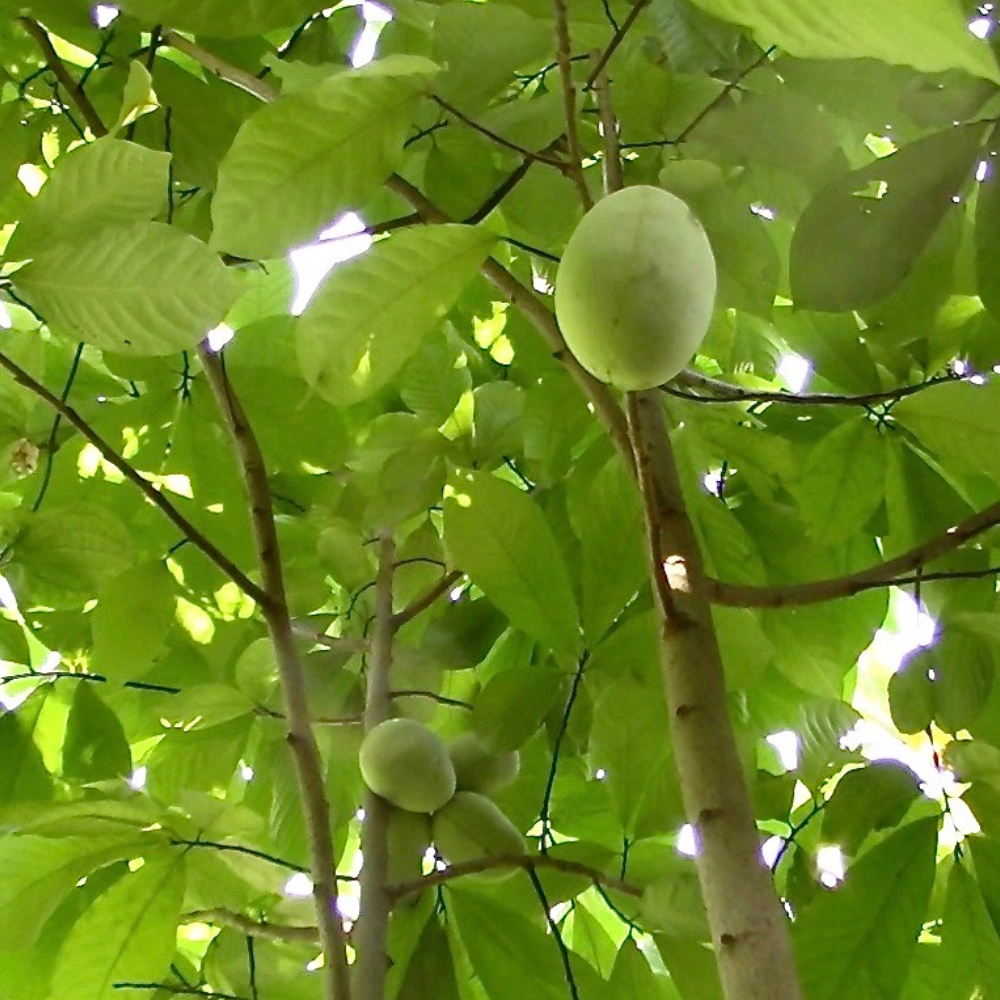
Asimina TrilobaThe Pawpaw (Asimina triloba) is a unique, cold-hardy fruit tree native to North America that produces large, greenish-yellow fruit with a tropical flavor reminiscent of banana, mango, and melon. Its creamy, custard-like flesh is highly nutritious and packed with vitamins, antioxidants, and protein. Despite its exotic flavor, the pawpaw thrives in temperate climates and is one of the only tropical-flavored fruits that grows well in USDA Zones 5–9.
This small, deciduous tree grows 15–30 feet tall and features broad, drooping leaves that give it a lush, tropical look. In spring, it produces maroon flowers that mature into clusters of fruit by late summer to early fall. Because it is not self-pollinating, planting two genetically different pawpaw trees nearby ensures better fruit production.
The pawpaw is a fantastic addition to edible landscapes, forest gardens, and permaculture systems. Its fruit has a short shelf life, making it a rare treat often found only in local markets or home gardens. Hardy, disease-resistant, and low-maintenance, it’s an excellent choice for gardeners seeking something truly different and delicious.
Care Instructions
Planting:
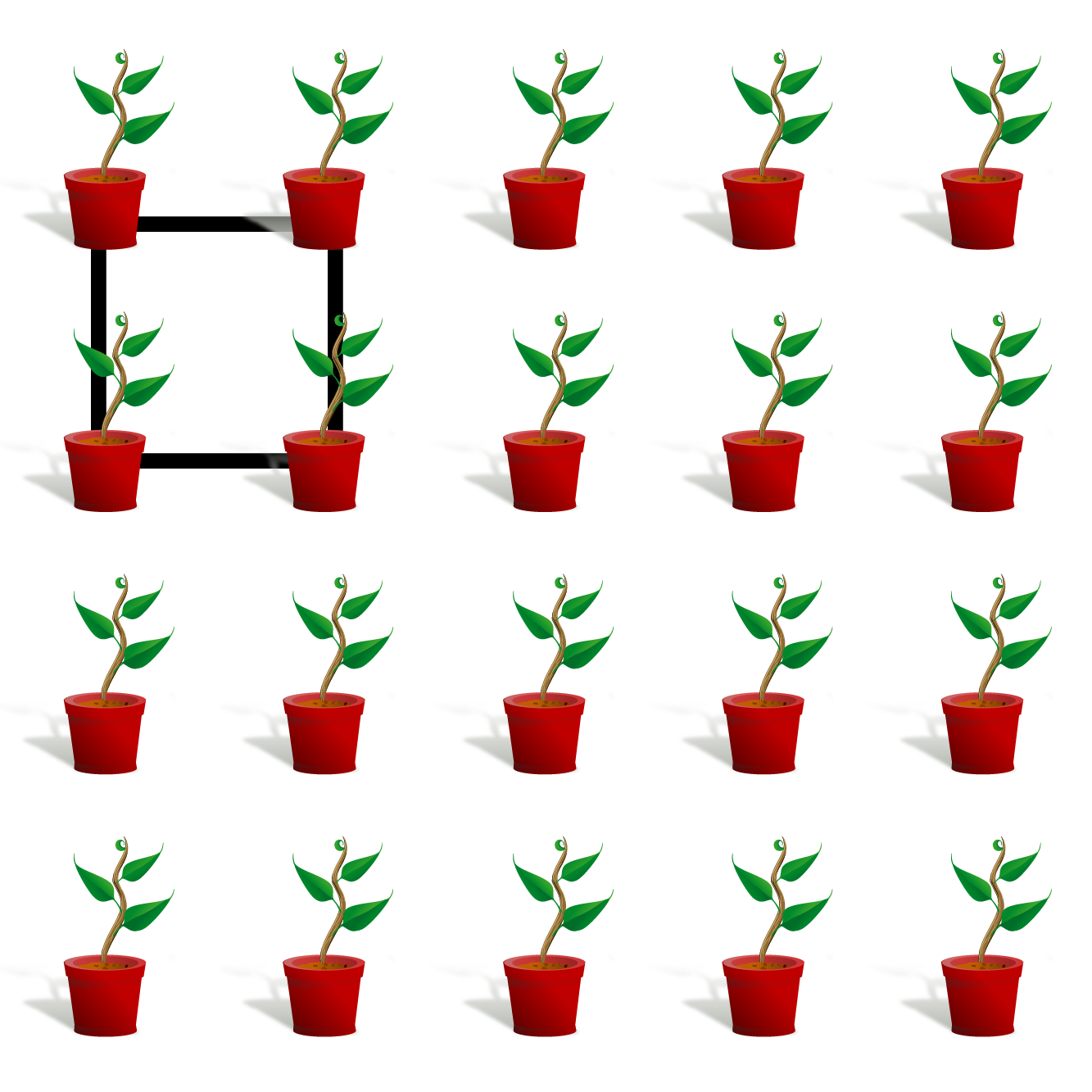
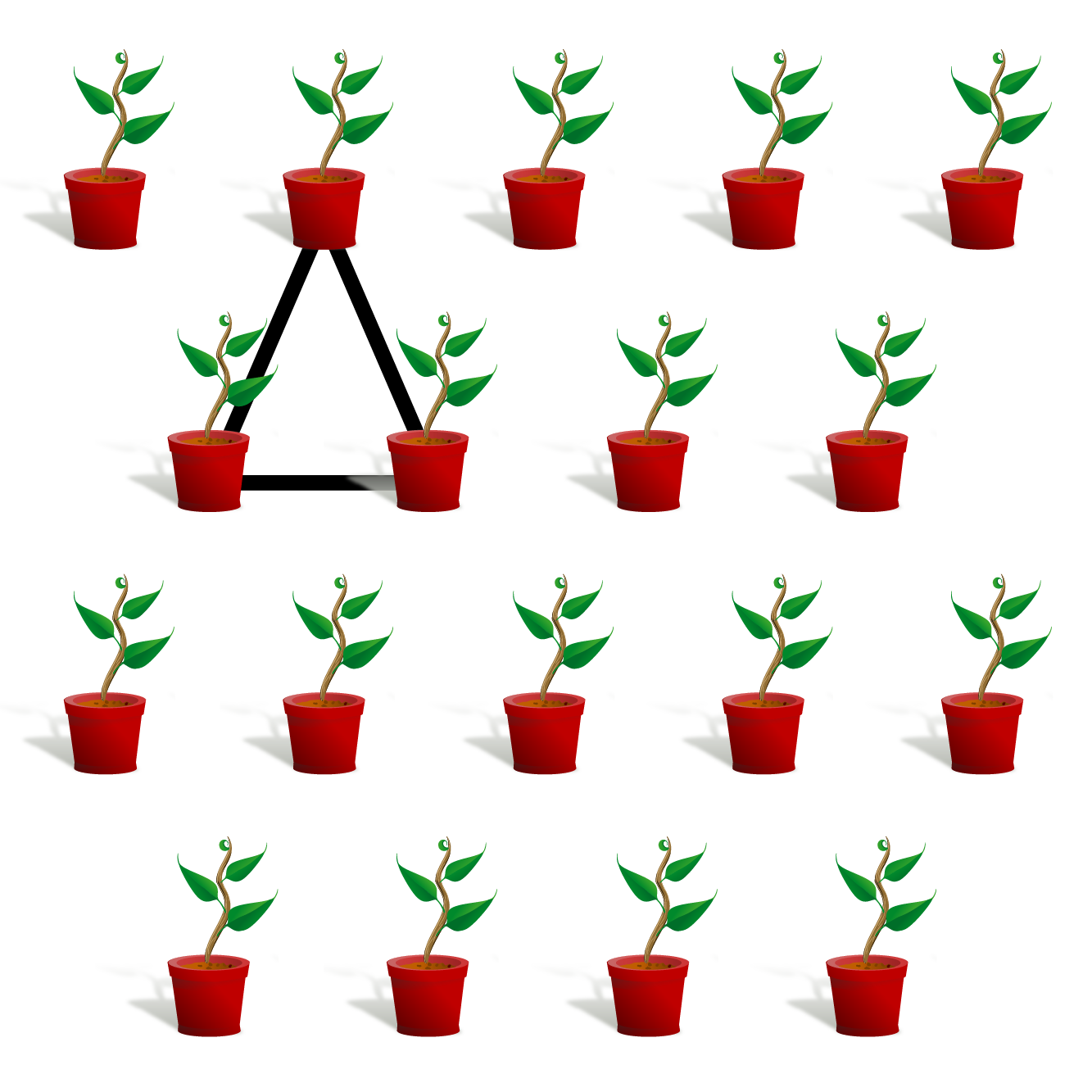
Plant in full sun for best fruiting, though young trees appreciate partial shade. Space 15–20 feet apart. Requires two varieties for cross-pollination.
Watering:
Keep soil consistently moist, especially during the first 2–3 years. Mature trees are somewhat drought-tolerant but prefer regular watering.
Pruning:
Minimal pruning needed. Remove suckers and dead or damaged branches in late winter or early spring.
Pest Control:
Generally pest-resistant. Watch for deer or wildlife nibbling young growth. Use tree guards or fencing if needed.
Soil Tips:
Prefers rich, well-drained, slightly acidic soil (pH 5.5–7.0). Add compost at planting and mulch to retain moisture and suppress weeds.