Redbud Eastern Tree
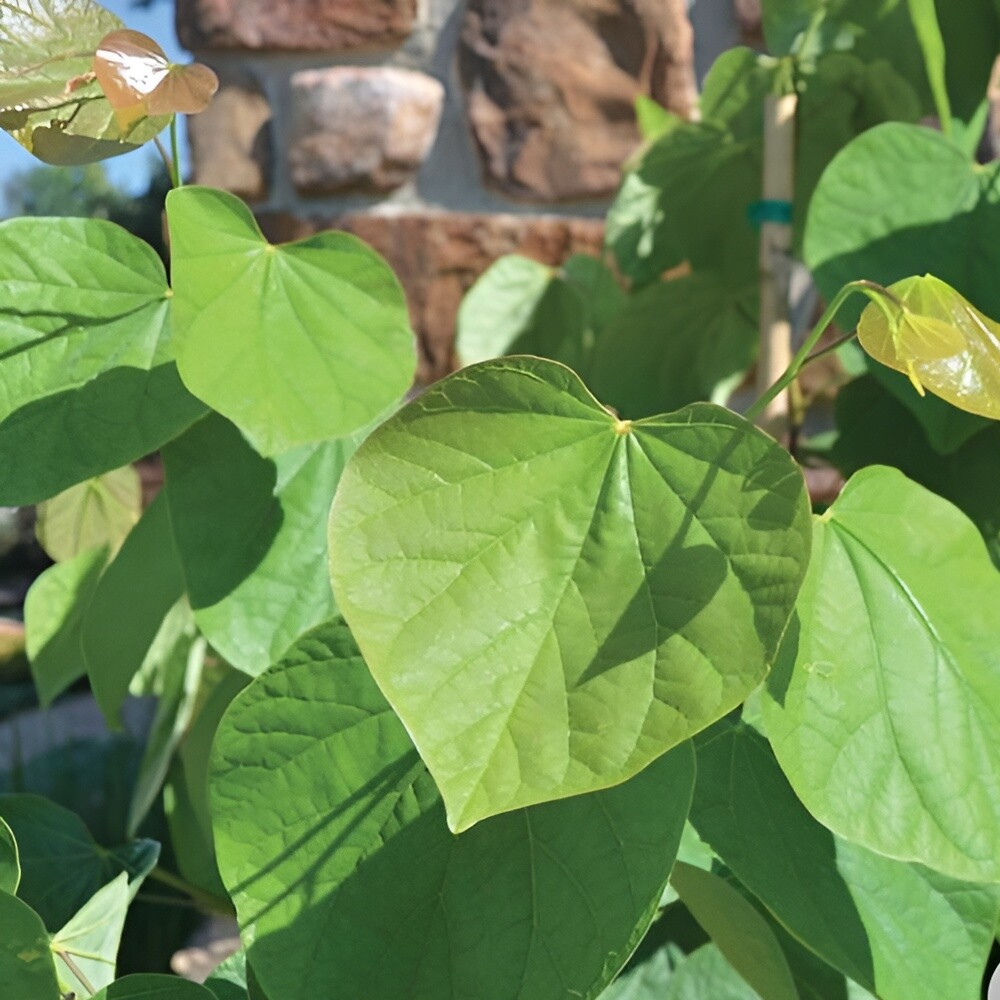
Cercis canadensis Summer's TowerEastern Redbud (Cercis canadensis) is a beloved native flowering tree prized for its early spring beauty and versatile landscape use. Before the foliage emerges, bare branches are covered in clusters of rosy pink to lavender flowers, creating a stunning seasonal display and providing an important early nectar source for pollinators. As spring progresses, distinctive heart-shaped leaves unfold in fresh green tones, offering soft texture and summer shade. Typically reaching 20–30 feet in height with a broad, spreading canopy, Eastern Redbud works beautifully as a specimen tree, woodland edge planting, or naturalized garden feature.
Native to eastern North America, Eastern Redbud is highly adaptable and thrives in a wide range of growing conditions. It performs well in full sun to partial shade and tolerates various soil types as long as drainage is adequate. In fall, the foliage often turns yellow, adding subtle autumn color. With its manageable size, low-maintenance requirements, and strong ecological value, Eastern Redbud is an excellent choice for gardeners seeking a reliable native tree that delivers multi-season interest and timeless charm.
Care Instructions:
Planting: Choose a location with full sun to partial shade and well-draining soil. Dig a hole twice as wide as the root ball and plant at the same depth as in the container. Space trees 15–25 feet apart.
Watering: Water regularly during the first growing season to establish roots. Once established, provide deep watering during extended dry periods.
Pruning: Prune in late winter or early spring to remove dead, damaged, or crossing branches. Minimal shaping is needed to maintain its natural form.
Pest Control: Generally pest-resistant. Monitor for leafhoppers, scale insects, or canker. Treat infestations promptly with horticultural oil or fungicide if necessary.
Soil Tips: Prefers slightly acidic to neutral soil but tolerates a wide range of conditions. Ensure good drainage and apply mulch to retain moisture and protect roots.