Sourwood
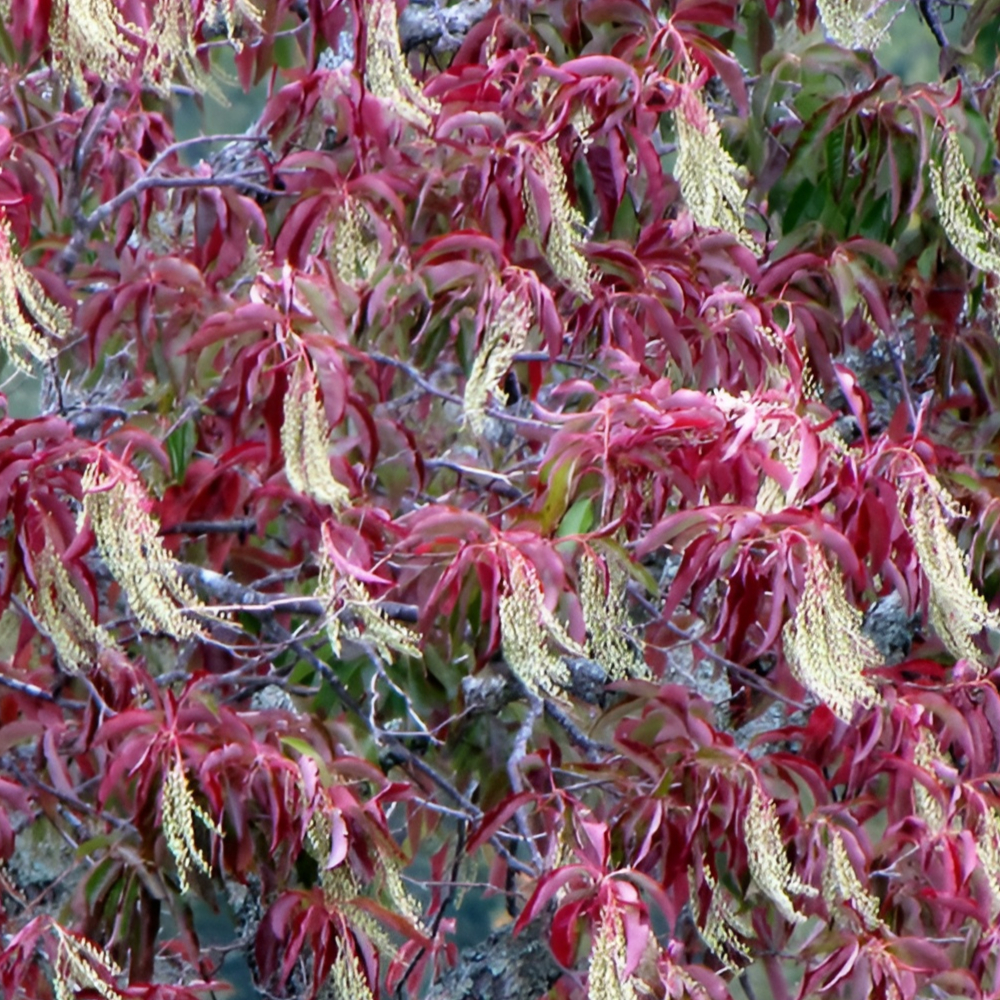
Oxydendrum arboreumSourwood (Oxydendrum arboreum) is a striking deciduous tree celebrated for its ornamental beauty and year-round appeal. In summer, it produces elegant, fragrant white flowers in slender, pendulous clusters that attract pollinators like bees and butterflies, making it a garden favorite for wildlife enthusiasts. As the seasons change, its foliage transforms into a vibrant display of red, orange, and burgundy tones in autumn, providing a dramatic seasonal highlight. Typically reaching 30–50 feet in height with a pyramidal form, sourwood works well as a specimen tree, in woodland gardens, or as part of mixed borders.
Native to the eastern United States, sourwood prefers acidic, well-drained soils and thrives in full sun to partial shade. It grows slowly, making it an ideal choice for gardeners seeking a long-lasting, low-maintenance tree with high visual impact. Its bark is attractive as well, with smooth gray textures on young trees maturing to rugged, furrowed surfaces with age. Overall, sourwood combines delicate summer flowers, brilliant fall color, and wildlife value, making it a versatile addition to ornamental landscapes and small to medium-sized yards.
Care Instructions:
Planting: Choose a sunny to partially shaded location with acidic, well-draining soil. Dig a hole twice as wide as the root ball and plant at the same depth as in the container.
Watering: Keep soil consistently moist during the first year. Once established, water during prolonged dry periods. Avoid soggy conditions.
Pruning: Minimal pruning needed. Remove dead, damaged, or crossing branches in late winter or early spring to maintain shape and health.
Pest Control: Generally pest-resistant. Occasionally monitor for scale insects or caterpillars and treat infestations with horticultural oil or insecticidal soap.
Soil Tips: Prefers acidic soil (pH 4.5–6). Avoid heavy clay or alkaline soils. Mulch around the base to retain moisture and regulate root temperature.