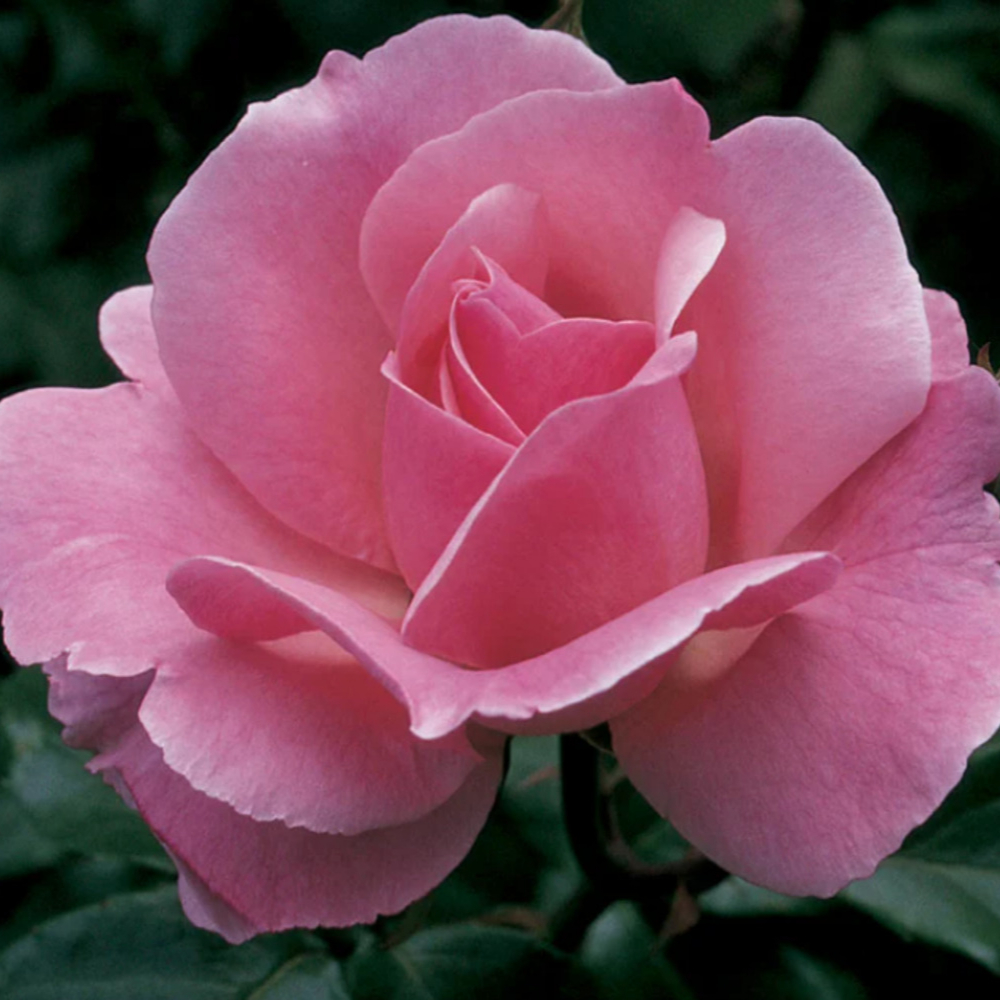
Weeks Grand Queen Elizabeth
rosa 'Queen Elizabeth'The Weeks Grand Queen Elizabeth rose is a majestic and timeless beauty, admired for its large, elegant pink blooms and captivating fragrance. With its classic rose shape and vibrant color, this variety adds grace and sophistication to any garden or landscape. Known for its robust growth and long-lasting flowers, the Grand Queen Elizabeth rose is a favorite among rose enthusiasts and gardeners alike. The plant is also highly valued for its sweet, strong fragrance, which fills the air and attracts pollinators like bees and butterflies.
This rose is a standout in garden beds, borders, or as a focal point in containers. Whether planted alone or with complementary plants, its stunning pink blooms make it a true showstopper. The Grand Queen Elizabeth is a hardy and reliable variety, making it perfect for both beginner and experienced gardeners looking for a beautiful and fragrant addition to their garden.
Care Instructions
Planting:
Select a spot with full sun and well-drained soil. Plant the Grand Queen Elizabeth rose in a hole large enough to accommodate its roots comfortably. Ensure the bud union is just above the soil level. Space plants about 2 to 3 feet apart to allow for proper growth.
Watering:
Water deeply when the top inch of soil feels dry, making sure the water reaches the roots. Avoid over-watering, which can lead to root rot. Watering early in the morning is recommended to reduce the risk of fungal diseases.
Pruning:
Prune regularly to remove dead, diseased, or damaged wood. After the first bloom cycle, cut back spent flowers to encourage a second round of blooms. In early spring, prune to shape the plant and remove any winter-damaged branches.
Pest Control:
Check for common rose pests like aphids, caterpillars, and spider mites. Treat infestations with neem oil or an organic insecticidal soap. Remove any fallen leaves or debris around the plant to prevent pests and diseases from spreading.
Soil Tips:
The Grand Queen Elizabeth rose thrives in slightly acidic soil that is rich in organic matter. Mix compost into the soil for improved fertility and drainage. Ensure the soil is well-drained to prevent root rot, and amend the soil with sand or perlite if needed.