Weeks Tea Barbra Streisand
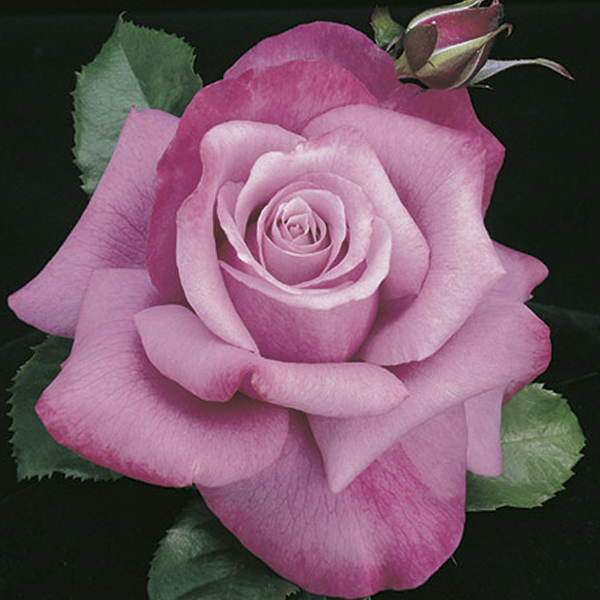
rosa 'WEKquaneze'The Weeks Tea Barbra Streisand rose is a striking hybrid tea variety, named after the legendary singer, and is known for its remarkable bi-color blooms. These large, elegant flowers transition from soft lavender-pink to a creamy ivory shade, creating a dramatic and eye-catching effect in any garden. The blooms are complemented by a strong, sweet fragrance, which adds another layer of charm to this already impressive rose.
Beyond its beauty, the Barbra Streisand rose is a robust plant with a vigorous growth habit and excellent disease resistance. Its upright form and glossy dark green foliage provide an elegant contrast to the delicate petals. This rose is perfect for garden beds, borders, or as a cut flower in floral arrangements, offering long-lasting blooms and consistent performance throughout the growing season. With the right care, it will continue to grace your garden with its beauty for many years.
Care Instructions
Planting:
Plant Barbra Streisand in a location that receives at least 6 hours of direct sunlight per day. Ensure the soil is well-draining by amending it with compost. Space plants 18-24 inches apart to allow for optimal airflow and prevent disease.
Watering:
Water deeply, ensuring that the soil remains consistently moist but not waterlogged. Water the base of the plant, and avoid wetting the foliage to minimize the risk of fungal diseases. Water regularly, especially during dry spells.
Pruning:
Prune in early spring to remove dead, damaged, or diseased canes. Cut back to healthy buds and shape the plant for an even structure. Deadhead spent blooms to promote continued flowering and maintain the rose’s appearance.
Pest Control:
Monitor for pests like aphids, spider mites, and Japanese beetles. Use insecticidal soap or introduce beneficial insects, such as ladybugs, to manage pests. Be on the lookout for fungal diseases like black spot and powdery mildew, and treat as needed with fungicides.
Soil Tips:
Barbra Streisand thrives in slightly acidic, well-drained soil with a pH between 6.0 and 6.5. Incorporate organic compost or well-rotted manure to improve soil structure and fertility. Regular soil testing can help maintain the ideal growing conditions.